

If you’ve ever taken your pet for a ride, you know how quickly pet hair can take over your car. The seats, floor mats, and even the dashboard can collect hair, making your vehicle look messy and feel uncomfortable. Removing pet hair from a car is more than just an aesthetic issue; it can affect allergies, air quality, and even resale value. Learning the best techniques and tools can make a huge difference, especially if you drive your pet regularly. Let’s explore practical steps, smart products, and common mistakes to help you reclaim your car from stubborn pet hair.
Why Pet Hair Is Hard To Remove
Pet hair sticks to car interiors because of static electricity and fabric texture. Most car seats and carpets are made from materials like polyester or nylon, which attract hair easily. When your pet moves or rubs against these surfaces, the hair gets embedded and becomes tough to pull out. Moisture and body oils from pets can also cause hair to cling even more.
In addition, short hair often works its way deep into the fibers, while long hair tends to float and cover larger areas. If you have both types of pets, you may notice that hair removal is a never-ending task. Understanding these challenges helps you choose the right methods and tools.
Essential Tools For Removing Pet Hair
Not all cleaning tools are equal when it comes to pet hair. Here are some of the most effective products:
| Tool | Best For | Pros | Cons |
|---|---|---|---|
| Rubber Gloves | Seats, carpets | Cheap, reusable | Manual effort needed |
| Lint Rollers | Seats, mats | Easy to use, portable | Needs frequent replacement |
| Vacuum Cleaners | All surfaces | Deep cleaning, fast | Requires power, bulky |
| Pet Hair Brushes | Fabric, upholstery | Specialized, effective | Some are expensive |
| Fabric Softener Spray | Stubborn hair | Loosens hair | Extra cleaning step |
Using the right tool can save time and effort. For example, rubber gloves are great for quick cleanups, while a vacuum cleaner is better for deep cleaning.
Step-by-step Guide To Removing Pet Hair From Your Car
It’s easy to feel overwhelmed, but breaking the process into steps makes it manageable. Here’s a proven approach:
1. Prepare Your Car
- Remove loose items like toys, blankets, and trash.
- Shake out floor mats outside to get rid of loose hair.
- Open windows for ventilation.
2. Loosen Hair With Rubber Gloves
Put on dry or slightly damp rubber gloves. Rub your hand over the seats and carpets in a circular motion. The friction attracts hair, which rolls up for easy removal. This method works well for both seats and door panels.
3. Use A Vacuum Cleaner
Choose a vacuum with a pet hair attachment or a strong suction. Focus on seams, corners, and under seats. Move slowly so the vacuum pulls embedded hair from fabric. For best results, use a vacuum with a HEPA filter to trap allergens.
4. Apply Fabric Softener Solution
Mix water and a small amount of fabric softener in a spray bottle. Lightly mist the areas with stubborn hair. Wait a few minutes, then wipe with a microfiber cloth. This helps loosen static and makes hair easier to collect.
5. Try Specialized Pet Hair Brushes
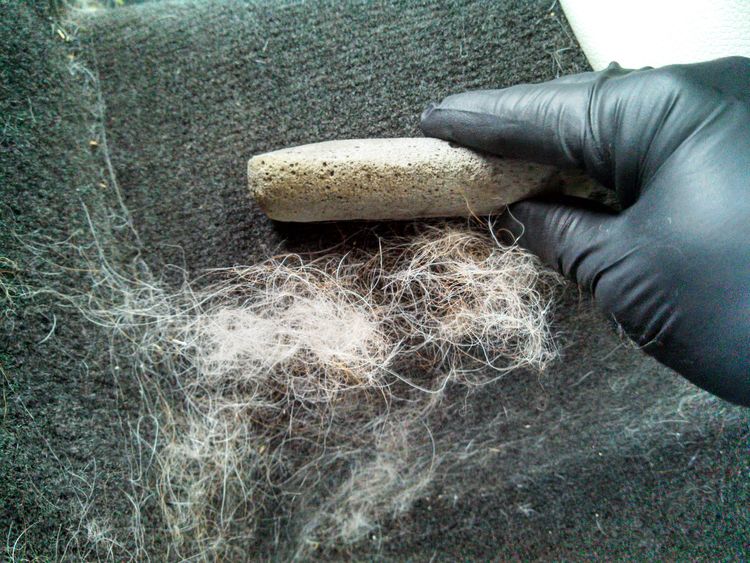
Use a pet hair brush or a pumice stone to gently scrape hair from upholstery. Brush in short strokes, focusing on areas where hair collects the most. Avoid using too much force, which can damage fabric.
6. Finish With A Lint Roller
Roll a lint roller over seats, headrests, and other surfaces. Replace sheets as needed. Lint rollers are great for picking up small leftover hairs after other methods.
7. Clean Floor Mats Separately
Take mats outside and shake or beat them. Use a vacuum and brush combo for deep cleaning. If mats are washable, rinse and air dry them before putting them back.
8. Inspect And Repeat If Needed
Check your car for missed spots. Repeat steps where hair is still visible. Sometimes, it takes more than one round to get everything.
Comparing Methods: Efficiency Vs. Cost
Let’s look at how different cleaning methods stack up in terms of time, effectiveness, and price.
| Method | Time Needed | Effectiveness | Cost |
|---|---|---|---|
| Rubber Glove | 15 min | Medium | Low |
| Vacuum Cleaner | 20 min | High | Medium |
| Lint Roller | 10 min | Low | Low |
| Fabric Softener | 10 min | Medium | Low |
| Pet Hair Brush | 15 min | High | Medium-High |
For most people, combining rubber gloves and a vacuum cleaner gives the best results without spending too much.
Common Mistakes To Avoid
Many car owners make errors that make pet hair harder to remove. Here’s what to watch for:
- Using dry towels – These just push hair around instead of picking it up.
- Ignoring static – Not loosening static means hair stays stuck.
- Vacuuming too fast – Quick passes don’t pull hair from deep fibers.
- Skipping mats – Floor mats collect the most hair; always clean them separately.
- Not cleaning regularly – Waiting too long allows hair to build up, making removal harder.
One non-obvious insight: Never use wet wipes on fabric unless you test them first. Some wipes leave residue that attracts more hair or damages upholstery.
Diy Solutions For Pet Hair Removal
Store-bought products are helpful, but you can also use everyday items:
- Balloon: Rub a balloon over the seats to create static that lifts hair.
- Duct tape: Wrap duct tape around your hand, sticky side out, and press onto hair-covered areas.
- Dryer sheets: Rub dryer sheets over surfaces to loosen hair and add a fresh scent.
These tricks are especially handy when you’re traveling or need a quick fix.
Credit: www.washos.com
Preventing Pet Hair In Your Car
Prevention is the best way to reduce cleaning time. Here’s how to keep pet hair under control:
- Use seat covers – Easy to remove and wash, they protect your seats from hair.
- Brush your pet before trips – Removing loose hair before your pet enters the car lowers shedding.
- Keep windows closed – Open windows can spread hair to new areas.
- Clean regularly – Weekly cleaning prevents buildup and makes each session easier.
If you drive with pets often, investing in waterproof seat covers and regular pet grooming can cut your cleaning time in half.
Choosing The Best Pet Hair Removal Products
With so many options, picking the right product can be confusing. Here’s what really matters:
- Material compatibility: Make sure the tool works with your car’s upholstery.
- Ease of use: Choose tools you can handle comfortably, like gloves or compact vacuums.
- Durability: Avoid products that wear out quickly or need frequent replacement.
- Price vs. performance: Don’t assume expensive tools are always better.
Many buyers overlook the importance of attachments for vacuums. Look for models with narrow nozzles or rubber bristles. Also, check reviews from pet owners, not just general users.
Pros And Cons Of Popular Products
Here’s a quick overview of leading pet hair removal tools:
| Product | Pros | Cons |
|---|---|---|
| Rubber Glove | Reusable, good for small areas | Requires effort, not for deep cleaning |
| Pet Hair Brush | Specialized, effective | Some can damage delicate fabrics |
| Lint Roller | Portable, easy | Needs frequent sheet changes |
| Vacuum Cleaner | Fast, thorough | Bulky, needs power source |
| Fabric Softener Spray | Loosens hair | Extra cleanup step needed |
If you’re unsure, start with a rubber glove and a pet hair brush. These are cheap and usually work well.
Real-life Example: Sarah’s Weekly Routine
Sarah owns two dogs and drives them daily. Her car used to be covered in hair, causing problems with allergies and making her friends uncomfortable. She started using seat covers and brushes her dogs before trips. Every Sunday, she removes the covers, vacuums seats, and uses a rubber glove for tricky spots. It takes her about 30 minutes, but her car stays hair-free and smells fresh.
One insight beginners miss: Consistency matters more than expensive tools. Cleaning once a week is easier than waiting for hair to pile up.

Credit: www.killerbrands.co.uk
Health And Safety Considerations
Pet hair isn’t just ugly; it can affect health. Pet dander (tiny flakes of skin) sticks to hair and can trigger allergies. Vacuuming with a HEPA filter helps reduce airborne particles. Also, avoid inhaling dust while cleaning. If you have severe allergies, wear a mask and gloves.
Keeping your car clean also protects resale value. Buyers notice hair and odor, which can lower your car’s market price by hundreds of dollars.
Professional Cleaning: When To Call Experts
If your car is heavily covered or you have allergies, consider professional detailing. Experts use steam cleaners and specialized vacuums to remove hair and sanitize the interior. Prices range from $50 to $200, depending on your location and car size.
Professional cleaning is a good option after long trips or if hair has built up over months.
For more tips on professional cleaning, visit Consumer Reports.

Credit: www.reddit.com
Frequently Asked Questions
How Do I Remove Pet Hair From Car Carpets?
Rub a rubber glove over the carpet in circular motions, then vacuum slowly with a strong suction. For stubborn hair, mist with fabric softener solution and wipe with a microfiber cloth.
Can I Use A Regular Vacuum Cleaner For Pet Hair?
Yes, but a pet hair attachment or brush helps pull hair from fibers. Standard vacuums may miss deeply embedded hair, so use slow, overlapping passes for best results.
What’s The Fastest Way To Get Rid Of Pet Hair In My Car?
A lint roller works quickly for visible hair, but combining rubber gloves and a vacuum is more thorough. For emergency cleanups, try duct tape wrapped around your hand.
Are There Any Risks To Using Fabric Softener?
Fabric softener is safe if used in small amounts and wiped off afterward. Avoid soaking fabric, which can cause mold or stains. Always test on a small area first.
How Can I Prevent Pet Hair From Getting In My Car?
Use seat covers, brush your pet before trips, and clean your car weekly. Regular maintenance is the most effective way to keep hair under control.
Removing pet hair from your car doesn’t have to be a struggle. With the right tools, techniques, and a consistent routine, you can enjoy a clean, comfortable vehicle—even with furry passengers. Start today and notice the difference in air quality and appearance.