
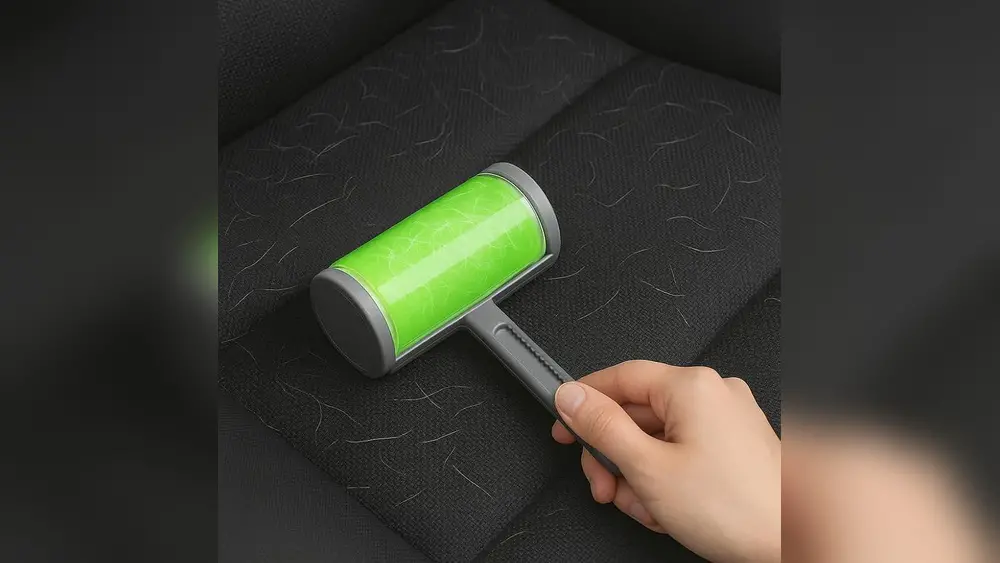
If you share your home with a cat, dog, or any furry friend, you probably know the struggle of keeping your house clean from pet hair. It sticks to sofas, carpets, clothes, and even car seats. Ordinary vacuuming can miss fine hairs, and sticky lint rollers often run out fast. This is where the pet hair remover roller changes the game. Many pet owners now rely on this simple tool to keep their homes looking tidy and allergy-free. But is it really as effective as people say? Let’s explore how pet hair remover rollers work, what makes one better than another, and how you can choose the right one for your needs.
How Does A Pet Hair Remover Roller Work?
A pet hair remover roller is designed to pick up fur from surfaces with minimal effort. The most common type uses a reusable rolling mechanism with a sticky or textured surface. As you roll it across fabric, the hair attaches to the roller, and the device collects it in a compartment or on the surface itself.
Some rollers use a sticky adhesive that traps hair. Others rely on a micro-bristle or velour fabric that grabs loose fur. The roller moves back and forth, collecting hair with each pass. After cleaning, you can easily empty the compartment or clean off the collected hair. Unlike disposable lint rollers, these devices are meant to be used again and again.
Types Of Pet Hair Remover Rollers
Pet hair remover rollers come in a few main designs:
- Sticky adhesive rollers: Use replaceable sticky sheets. Good for quick jobs but need regular refills.
- Reusable rollers: Feature textured surfaces or micro-bristles. Collect hair mechanically, and you clean them by removing the hair after use.
- Brush rollers: Combine a rolling action with built-in brushes to loosen and pick up hair.
The reusable type is now most popular. It saves money, is eco-friendly, and can handle larger cleaning jobs.
Benefits Of Using A Pet Hair Remover Roller
If you’re fighting pet hair, a roller offers several clear advantages:
- Quick cleaning: Removes hair in seconds from couches, clothes, and car seats.
- Reusable: No need to buy new sticky sheets, saving money over time.
- Portable: Light and easy to carry—perfect for travel or the office.
- Safe for fabrics: Won’t damage delicate materials.
- Reduces allergies: By removing hair, it lowers exposure to allergens.
A study by the American Cleaning Institute found that regular removal of pet hair reduces dust and allergens in homes by up to 45%. For people with allergies, this is a big benefit.
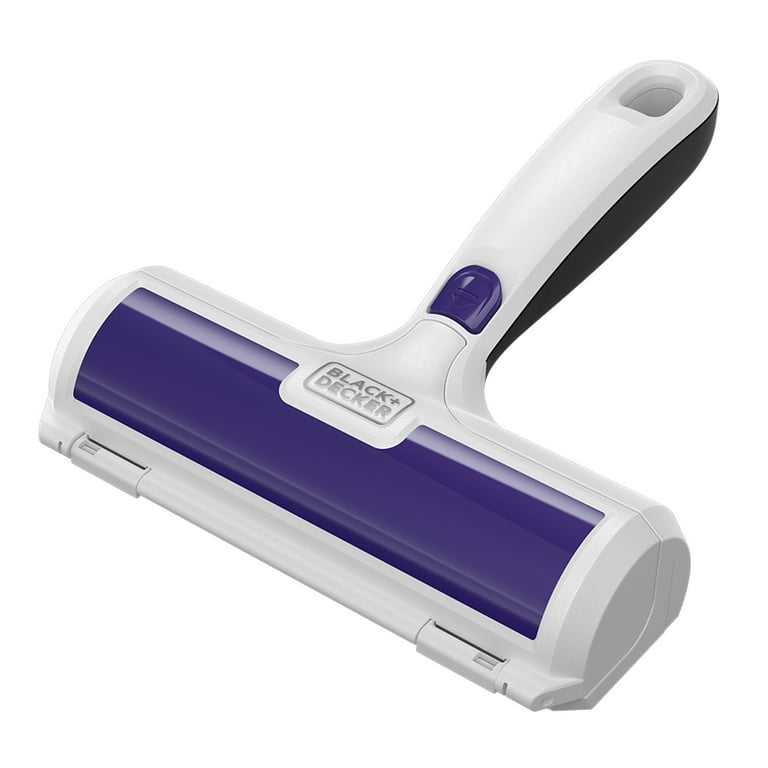
Credit: www.walmart.com
Comparing Pet Hair Remover Rollers To Other Methods
Let’s see how rollers stack up against common cleaning tools.
| Method | Effectiveness | Cost | Ease of Use | Eco-Friendly |
|---|---|---|---|---|
| Pet Hair Remover Roller | High | Medium | Easy | Yes |
| Vacuum Cleaner | Medium-High | High | Moderate | Depends |
| Sticky Lint Roller | Medium | Low | Easy | No |
| Rubber Gloves | Low | Low | Moderate | Yes |
Rollers are especially useful for small areas and quick touch-ups. Vacuums are better for deep cleaning floors but can miss hair on furniture and clothes. Pet hair remover rollers fill this gap.
Choosing The Right Pet Hair Remover Roller
With so many rollers on the market, picking the best one can be tricky. Here’s what really matters:
Surface Compatibility
Some rollers are made for soft surfaces like sofas and bedding, while others work well on hard surfaces such as wood or tile. If you need to clean both, look for a model that claims multi-surface use.
Roller Material
- Micro-bristle rollers: Ideal for grabbing fine hairs and lint.
- Velour rollers: Work well on thick fabrics like carpets or heavy blankets.
- Adhesive rollers: Good for clothes, but less eco-friendly.
Size And Shape
Larger rollers cover more area but are harder to store. Compact rollers fit in bags and are perfect for travel.
Durability
Check reviews for how long the roller lasts. Some cheap models wear out quickly, while others can be used for years.
Ease Of Cleaning
Some rollers have a compartment you open to empty hair. Others require manual cleaning. Choose one that fits your preference.
Price Range
Pet hair rollers cost from $10 to $40. Higher-priced models often have better build quality and last longer.
Comparison Table: Popular Pet Hair Remover Rollers
Here’s a look at three best-selling rollers:
| Brand | Type | Surface | Price | Reusable | Cleaning Method |
|---|---|---|---|---|---|
| ChomChom | Micro-bristle | Fabric, Carpet | $29.99 | Yes | Open compartment |
| FurZapper | Velour | Clothes, Bedding | $19.95 | Yes | Manual removal |
| Evercare | Adhesive | Clothes | $9.99 | No | Replace sheets |
How To Use A Pet Hair Remover Roller Properly
To get the best results, follow these steps:
- Test the surface: Try the roller on a small area to check for damage.
- Roll back and forth: Move the roller in both directions to collect hair.
- Clean the roller: After use, remove the hair or empty the compartment.
- Wash if needed: Some rollers can be rinsed under water. Check instructions.
- Store carefully: Keep away from direct sunlight to avoid material damage.
Common Mistakes To Avoid
- Using the roller on wet surfaces (can cause damage).
- Rolling too quickly (may miss hair).
- Not cleaning the roller after use (reduces effectiveness).
Many beginners forget to roll slowly and evenly. This helps the roller pick up more hair in one pass.
Real-life Examples And Success Stories
Pet owners often share how rollers have improved their cleaning routine. For example, one dog owner from Chicago reported that using a micro-bristle roller reduced the cleaning time for her sofa from 20 minutes to just 5 minutes. Another user found that a reusable roller kept her black clothes free from her cat’s white fur, something ordinary lint rollers struggled with.
Some professional cleaners now recommend rollers as part of their toolkit. According to a survey by PetMD, 67% of pet owners who switched to reusable rollers said their home felt cleaner and fresher.
:strip_icc()/bhg-pet-hair-removers-jessica-comstock-3-3518e4257dce4f3bb06e3b2b29b6e7fa.jpeg)
Credit: www.bhg.com
Eco-friendly And Cost Benefits
Disposable lint rollers generate waste and cost money for refills. In contrast, a reusable pet hair remover roller can last for months or years. This reduces plastic waste and saves money.
Let’s look at the numbers:
- A typical disposable lint roller uses 60 sheets. Most users finish a roll in 1–2 weeks.
- Over a year, that’s around 1,500 sheets per household.
- A reusable roller needs no refills, saving up to $50 per year.
Eco-conscious buyers are also moving toward rollers made from recycled materials. Some brands now offer packaging that is compostable, further reducing environmental impact.
Cleaning Tips For Maximum Performance
To keep your roller working well:
- Wipe the roller surface after each use.
- If your roller is washable, rinse it in warm water once a week.
- Remove hair buildup regularly. Too much hair makes the roller less effective.
- Check for damage. If the surface is worn, replace the roller.
For homes with several pets, consider buying two rollers—one for furniture, one for clothes.

Credit: www.amazon.com
Pet Hair Remover Roller For Allergies
Pet hair isn’t just messy—it can trigger allergies. The American Academy of Allergy, Asthma & Immunology notes that pet dander (tiny flakes of skin) attaches to hair. Removing hair reduces allergic reactions.
A roller is ideal for this because:
- It reaches places vacuums can’t, such as pillows or curtains.
- It removes fine hair that carries dander.
- It’s easy to use daily, improving air quality.
Comparing Pet Hair Remover Rollers To New Technology
Some modern tools claim to remove pet hair using static electricity or motorized brushes. But are they really better?
| Tool | Power Source | Effectiveness | Maintenance | Cost |
|---|---|---|---|---|
| Pet Hair Remover Roller | Manual | High | Low | $10-$40 |
| Motorized Brush | Battery/Plug | Medium-High | Medium | $50-$120 |
| Static Cleaner | Manual | Medium | Low | $20-$60 |
Manual rollers are simple, reliable, and don’t need batteries or charging. For most homes, they offer the best value.
Practical Insights: What Beginners Often Miss
- Rollers don’t replace deep cleaning: You still need to vacuum floors regularly.
- Choose the right roller for each surface: A roller that works on sofas may not be best for clothes.
- Store rollers properly: Leaving them exposed to sun or moisture can damage the material.
Many new users expect rollers to remove every last hair in one pass. In reality, you may need a few passes, especially on thick fabrics. Also, some surfaces like leather or vinyl are not suitable for rollers and need a damp cloth instead.
Where To Buy Pet Hair Remover Rollers
You can find rollers in pet stores, supermarkets, and online. Look for trusted brands and read reviews. For more information, see this Wikipedia article on lint rollers.
Frequently Asked Questions
What Surfaces Can I Use A Pet Hair Remover Roller On?
Most rollers work well on fabric, carpet, clothes, and bedding. Some are also safe for car seats. Avoid using on wet surfaces or delicate materials like silk.
Is A Pet Hair Remover Roller Safe For All Pets?
Yes, rollers are used for cleaning surfaces, not directly on pets. They’re safe for homes with cats, dogs, rabbits, and other furry animals.
How Often Should I Clean My Roller?
Clean your roller after each use. For washable rollers, rinse them once a week to remove buildup. Regular cleaning keeps them effective.
Can Pet Hair Remover Rollers Help With Allergies?
Yes. Removing hair and dander from your home reduces allergen levels. Rollers reach places vacuums often miss, making them useful for allergy control.
Are Reusable Rollers Really Eco-friendly?
Reusable rollers cut down on waste from disposable sheets and often use less plastic. Some brands use recycled materials and eco-friendly packaging.
Keeping your home free from pet hair is a challenge, but the right tools make all the difference. A pet hair remover roller is simple, affordable, and highly effective. It saves time, protects your fabrics, and helps control allergies. By choosing the best roller for your needs and using it properly, you can enjoy a cleaner, more comfortable home—even with the fluffiest pets.