
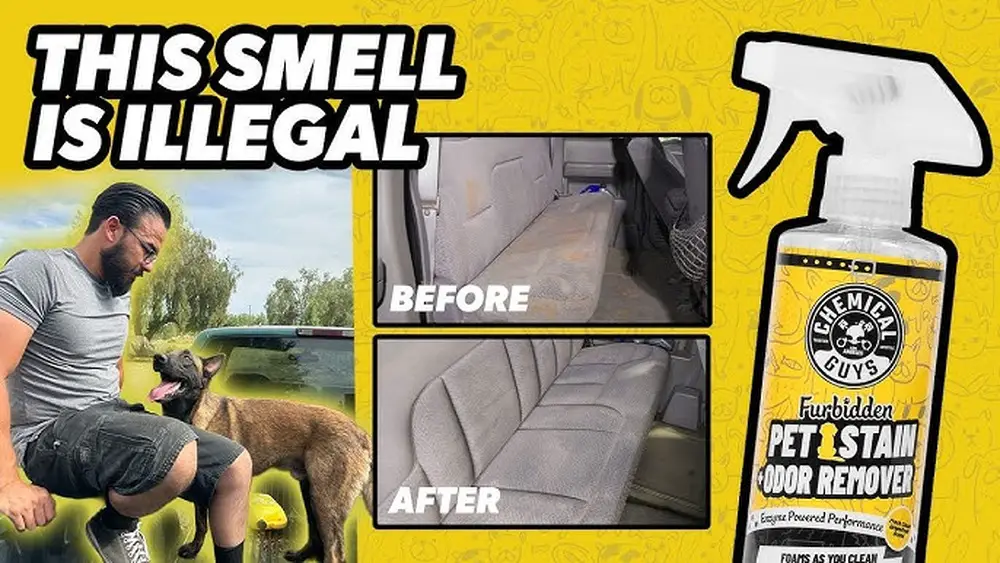
Pet owners know the joys of sharing life with furry companions—warm cuddles, loyal friendship, and endless entertainment. But there is a not-so-glamorous side: pet hair, stains, and lingering odors that can make your home feel less fresh. Cleaning up after pets can feel overwhelming, especially when stains and smells seem impossible to remove. The good news? There are smart, practical hacks that can help you tackle pet messes efficiently. This guide reveals proven cleaning techniques, clever tricks, and expert advice to keep your home clean, odor-free, and comfortable for everyone—including your pets.
Understanding Pet Hair, Stain, And Odor Problems
Pet hair can accumulate on furniture, carpets, and clothing, making rooms look untidy and triggering allergies. Stains from accidents or muddy paws often soak into fabrics, leaving visible marks and bacteria. Pet odors, especially from urine or wet fur, can linger and create an unpleasant atmosphere. According to the American Pet Products Association, 67% of US households own a pet, and over 60% of pet owners struggle with cleaning up after them. Knowing what causes these problems is the first step to solving them.
| Problem | Main Cause | Difficulty Level |
|---|---|---|
| Pet Hair | Shed fur, static cling | Medium |
| Stains | Urine, vomit, mud | Hard |
| Odor | Bacteria, moisture | Very Hard |
Many beginners try standard cleaning methods, but these often fail to remove deep-set stains and persistent smells. Let’s explore some smart hacks and solutions that actually work.
Pet Hair Removal Hacks
Getting rid of pet hair can be tricky, especially if it sticks to fabrics or carpets. Here are some effective ways to tackle this common issue.
1. Rubber Gloves Trick
A simple pair of rubber gloves can do wonders. Put on the gloves and rub your hands over surfaces like couches or car seats. The friction causes hair to stick to the gloves, making it easy to collect and throw away. For stubborn hair, dampen the gloves slightly to increase grip.
2. Fabric Softener Solution
Mix a teaspoon of fabric softener with two cups of water in a spray bottle. Lightly spray affected areas, then wipe with a microfiber cloth. This loosens the hair and makes vacuuming much easier.
3. Vacuum Techniques
Not all vacuums are equal when it comes to pet hair. Look for models with HEPA filters and special pet attachments. Use slow, overlapping strokes for better results. Empty the vacuum often to prevent clogging and loss of suction.
4. Lint Rollers & Tape
Lint rollers are great for quick clean-ups, but a roll of packing tape can also work. Wrap tape around your hand (sticky side out) and pat surfaces to pull up stubborn hair.
| Tool | Effectiveness | Best For |
|---|---|---|
| Rubber Gloves | High | Furniture |
| Vacuum (HEPA) | Very High | Carpet |
| Lint Roller | Medium | Clothing |
| Packing Tape | Medium | Car seats |
Non-obvious tip: Try using a slightly damp sponge to pick up hair from fabric. The moisture helps clump the hair together for easy removal.
Credit: elitecarpetcleaningco.com
Stain Removal Hacks
Pet stains are more than just unsightly—they can harbor bacteria and lead to odors. Removing stains quickly and thoroughly is key to maintaining a clean home.
1. Enzyme Cleaners
Enzyme-based cleaners break down proteins in pet stains, removing both the mark and the smell. Spray the cleaner generously, let it sit for 10–15 minutes, then blot with a clean towel. These cleaners work especially well on urine stains.
2. Diy Baking Soda Paste
Mix three tablespoons of baking soda with a little water to make a paste. Apply to stained areas, let it sit for 15–20 minutes, then vacuum. Baking soda neutralizes odors and lifts stains.
3. Vinegar Solution
Combine equal parts white vinegar and water in a spray bottle. Spray on the stain, blot with a towel, then sprinkle baking soda over the area. Let it dry, then vacuum. Vinegar disinfects and deodorizes, while baking soda absorbs moisture.
4. Hydrogen Peroxide Mix
For tough stains, mix one part hydrogen peroxide with two parts water and a few drops of dish soap. Test on a hidden area first, as peroxide can bleach some fabrics. Apply the mix, let it sit for five minutes, then blot and rinse.
5. Steam Cleaning
Steam cleaners use hot steam to loosen and lift stains from carpets and upholstery. Choose a pet-friendly steam cleaner with strong suction. Use distilled water to avoid mineral buildup.
Pro insight: Always blot stains—never rub. Rubbing spreads the mess and pushes it deeper into fibers.
| Stain Type | Best Solution | Additional Tips |
|---|---|---|
| Urine | Enzyme Cleaner | Repeat if needed |
| Mud | Steam Cleaning | Let dry, vacuum first |
| Vomit | Baking Soda Paste | Remove solids first |
Odor Removal Hacks
Odors are often the hardest to eliminate because they linger even after visible messes are gone. Here are practical solutions for tackling pet smells.
1. Activated Charcoal
Place activated charcoal bags in rooms or closets. Charcoal naturally absorbs odors and moisture. Replace bags every two to three months.
2. Air Purifiers
An air purifier with a HEPA filter and activated carbon can reduce pet odors and allergens. Run the purifier in the main living area for best results.
3. Baking Soda Sprinkle
Sprinkle baking soda over carpets and upholstery, let it sit for 30–60 minutes, then vacuum. Baking soda absorbs odors without leaving a residue.
4. Vinegar Air Spray
Mix one part white vinegar with three parts water in a spray bottle. Lightly mist the air—not surfaces—to neutralize pet smells. The vinegar scent fades quickly, leaving your home fresher.
5. Wash Pet Bedding Frequently
Pet beds and blankets absorb smells. Wash them in hot water with an unscented detergent and add half a cup of vinegar to the rinse cycle.
Non-obvious tip: Clean air vents regularly. Pet hair and dander can collect in ducts, spreading odors throughout your home.
Credit: www.chewy.com
Deep Cleaning Strategies
Sometimes regular cleaning isn’t enough. For tough cases, deep cleaning is essential.
Professional Services
When stains or odors just won’t budge, consider professional carpet and upholstery cleaning. Professionals use powerful machines and specialized products to restore your home.
Regular Grooming
Brush your pets often to reduce shedding. Bathing them with odor-neutralizing shampoo helps prevent smells from spreading.
Home Maintenance
Seal cracks and gaps in floors or walls where pet hair and smells can accumulate. Clean under furniture and behind appliances regularly.
Prevention Hacks
Preventing pet messes is easier than cleaning them up. Here are some ways to stop problems before they start.
- Place washable mats at entrances to catch mud and hair.
- Train pets to use designated potty areas.
- Use pet-friendly sprays on furniture to discourage climbing or scratching.
- Cover sofas and beds with washable throws.
- Keep a cleaning kit (enzyme cleaner, towels, gloves) ready for quick action.
Expert advice: Choose pet breeds with less shedding if allergies or cleaning are a major concern.
Common Mistakes Beginners Make
Many people unknowingly make cleaning harder. Here are common mistakes to avoid:
- Using ammonia-based cleaners on pet urine. Ammonia smells like urine to pets and encourages repeat accidents.
- Rubbing stains instead of blotting.
- Skipping regular vacuuming—pet hair builds up quickly.
- Forgetting to clean pet toys and collars, which can carry odors.
- Not testing cleaning solutions on a hidden area first.
Smart Product Choices
Choosing the right products makes cleaning easier. Look for these features:
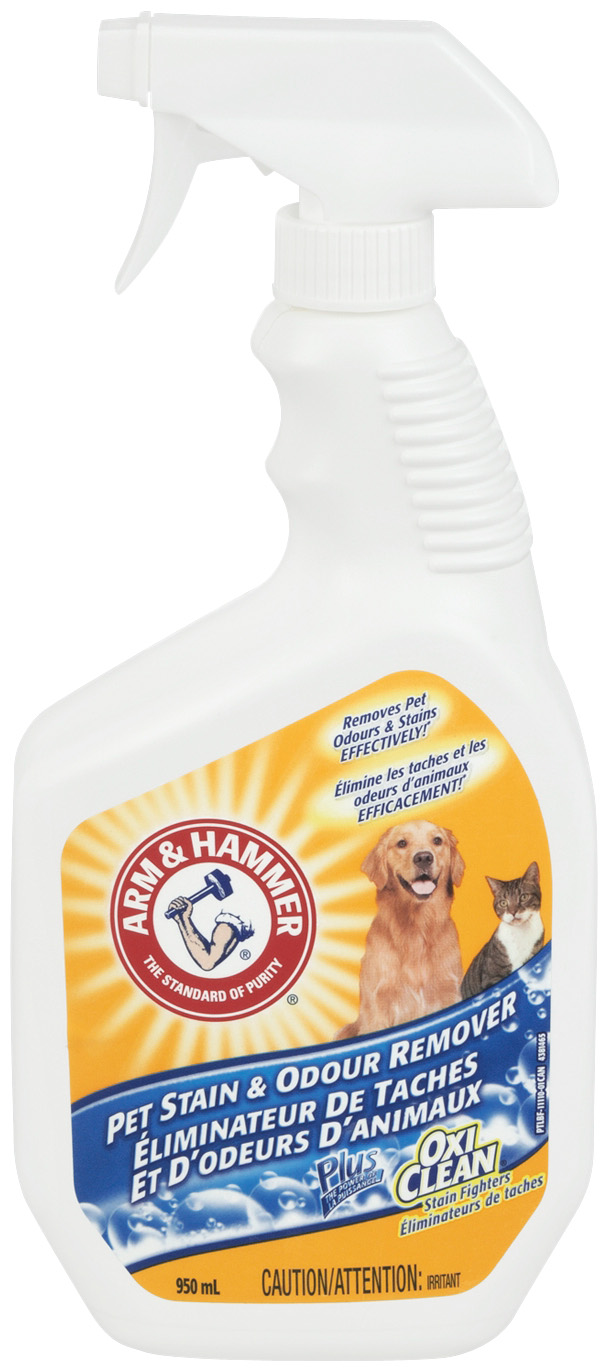
- Enzyme-based cleaners for stains and odors
- HEPA filter vacuums for pet hair and allergens
- Washable pet bedding and covers
- Activated carbon air purifiers
Avoid products with strong perfumes, as they can irritate pets and mask, not solve, odor problems.
Credit: www.armandhammer.com
Data: Pet Cleaning Product Effectiveness
Here’s a comparison of common pet cleaning products:
| Product | Average Effectiveness (%) | Price Range (USD) |
|---|---|---|
| Enzyme Cleaner | 90 | 12–25 |
| HEPA Vacuum | 95 | 80–300 |
| Baking Soda | 80 | 2–6 |
| Activated Charcoal | 75 | 8–20 |
For more details on cleaning product safety, see the EPA Safer Choice Program.
Frequently Asked Questions
How Can I Remove Pet Hair From Car Interiors?
Use a rubber glove or a damp sponge to loosen hair, then vacuum with a pet attachment. For stubborn hair, try packing tape wrapped around your hand.
What’s The Best Way To Clean Pet Urine Stains?
Spray an enzyme cleaner on the stain, let it sit for 15 minutes, then blot with a towel. Repeat as needed. Avoid ammonia-based products.
How Do I Get Rid Of Pet Odors In Carpets?
Sprinkle baking soda over the carpet, let it sit for 30–60 minutes, then vacuum. For deep odors, use a steam cleaner or professional service.
Can I Use Regular Cleaners For Pet Stains?
Regular cleaners may not remove proteins or smells from pet stains. Use enzyme-based cleaners for best results and test any product on a hidden area first.
How Often Should I Wash Pet Bedding?
Wash pet bedding every one to two weeks in hot water with unscented detergent and a half cup of vinegar for odor removal.
Keeping your home clean and fresh with pets is possible—with the right hacks and strategies. By understanding the causes of hair, stains, and odors, using proven cleaning tricks, and avoiding common mistakes, you’ll enjoy a healthier, happier home for both you and your furry friends.
Remember, a little prevention and smart cleaning go a long way.