
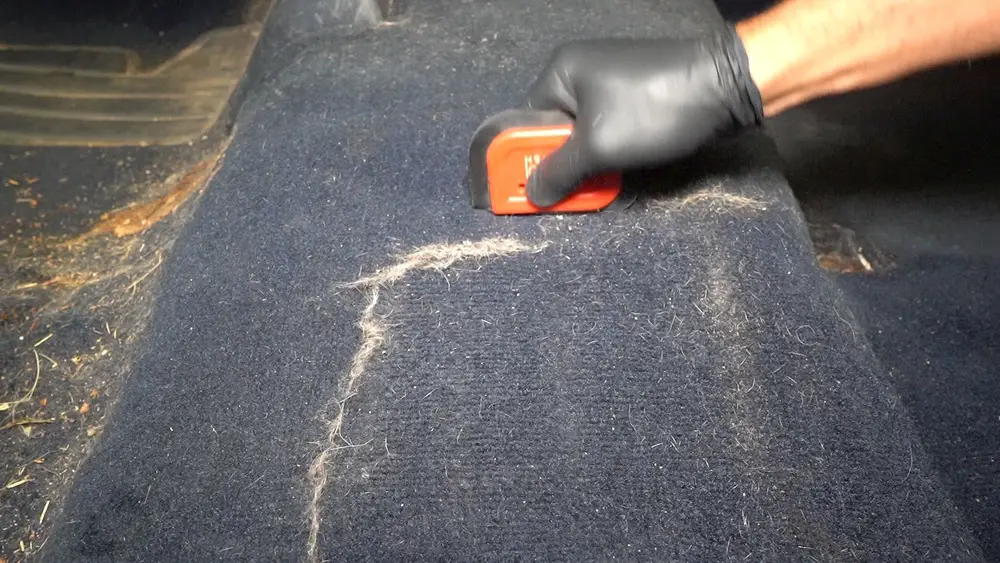
Pet Hair Remover For Car Detailing: The Complete Guide
Pet owners know the struggle: you love your furry friends, but their hair gets everywhere, especially in your car. Even after a short trip, you might find pet hair stuck to seats, carpets, and every little corner. If you want your car to look clean and smell fresh, removing pet hair is a must. But regular cleaning tools often fail, leaving behind stubborn strands. That’s where pet hair removers for car detailing come in.
In this guide, you’ll learn how pet hair removers work, which types are most effective, and how to use them for best results. We’ll compare popular products, share tips from professional detailers, and help you avoid common mistakes. Whether you drive a sedan or an SUV, you’ll find practical advice to keep your car spotless, even if you have the hairiest pets.
Why Pet Hair Is A Big Problem In Cars
Pet hair doesn’t just look bad—it can cause real issues. The fibers cling to fabric and carpet, making them hard to remove. In some cases, pet hair can also hold onto odors, trigger allergies, and even damage your car’s interior if left for too long.
According to a survey by the American Cleaning Institute, pet hair is one of the top reasons people deep clean their cars. About 65% of pet owners say hair is the most difficult mess to deal with. Unlike dust or crumbs, pet hair gets tangled in fabric and can even block air vents.
How Pet Hair Gets Embedded
- Static electricity pulls hair into the fabric.
- Movement from pets pushes hair deeper into seats and carpets.
- Hair mixes with dirt, making it even harder to remove.
If you simply vacuum, you’ll notice much of the hair stays behind. That’s why specialized tools are needed.
Types Of Pet Hair Removers For Car Detailing
Not all pet hair removers are the same. Some are designed for quick touch-ups, while others are made for deep cleaning. Let’s look at the main types you’ll find:
1. Rubber Brushes
These brushes use static electricity to attract and lift hair from surfaces. Their flexible bristles grab hair without damaging upholstery.
2. Lint Rollers
A sticky roller pulls up surface hair. They work well for small areas but struggle with embedded hair.
3. Fabric Gloves
Special gloves with textured palms sweep hair away. You can use your hand to reach tight spots.
4. Specialized Vacuums
Some vacuums come with pet hair attachments or extra suction power. They’re effective but often expensive.
5. Pumice Stones
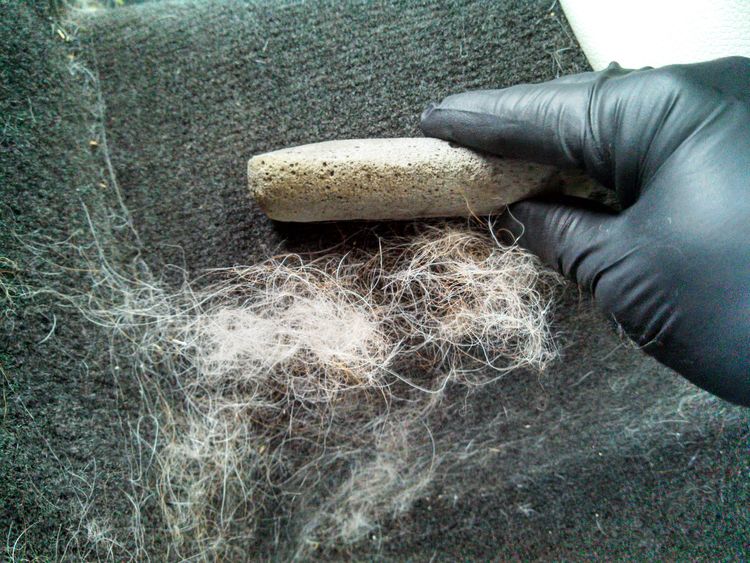
A pumice stone gently scrapes hair from carpet fibers. It’s best for stubborn, deep-set hair but should be used carefully to avoid damaging fabric.
6. Silicone Tools
Silicone pads or blocks create friction, pulling hair out of fabric. They’re gentle and reusable.
Comparing Popular Pet Hair Removers
To help you choose, here’s a comparison of the most-used tools for car detailing:
| Type | Effectiveness | Price Range | Pros | Cons |
|---|---|---|---|---|
| Rubber Brush | High | $8–$20 | Reusable, gentle on fabric | Needs manual effort |
| Lint Roller | Medium | $5–$15 | Easy, fast for surface hair | Limited for deep cleaning |
| Fabric Glove | Medium-High | $10–$25 | Flexible, reaches corners | May miss fine hair |
| Pumice Stone | High | $6–$15 | Great for carpets | Can scratch delicate fabric |
| Specialized Vacuum | Very High | $40–$200 | Fast, thorough | Expensive, bulky |
| Silicone Tool | Medium | $8–$18 | Gentle, reusable | Slow for large areas |
How To Use Pet Hair Remover Tools In Your Car
You don’t need professional training to use pet hair removers, but there are tricks to get better results. Here’s a step-by-step process:
Step 1: Prepare Your Car
Remove loose items, mats, and seat covers. Shake them outside to get rid of easy-to-remove hair.
Step 2: Vacuum First
Use a vacuum to pick up loose hair and debris. This makes the next steps more effective.
Step 3: Choose The Right Tool
- For seats: A rubber brush or glove works best.
- For carpets: Try a pumice stone or specialized vacuum.
- For tight spaces: Use a fabric glove or silicone pad.
Step 4: Work In Small Sections
Rub or sweep the tool in one direction. This helps collect hair in piles for easy removal.
Step 5: Remove And Dispose
Pick up collected hair and throw it away. Repeat until all visible hair is gone.
Step 6: Finish With A Final Vacuum
Vacuum again to remove any loose hair left behind. Now your car should look clean and feel fresh.

Credit: www.amazon.sg
Comparing Rubber Brushes Vs. Pumice Stones
Many detailers debate between rubber brushes and pumice stones. Let’s see how they stack up:
| Feature | Rubber Brush | Pumice Stone |
|---|---|---|
| Ease of Use | Easy, gentle strokes | Requires careful handling |
| Risk of Damage | Low | Medium (can scratch) |
| Effectiveness | High for seats | High for carpets |
| Cost | Affordable | Very affordable |
Tips From Professional Car Detailers
To get a truly clean car, professionals use a few clever tricks:
- Mist with water: Lightly spray water before brushing. This makes hair easier to collect.
- Use fabric softener: Mix a small amount with water and spray onto fabric. It helps loosen hair and reduces static.
- Vacuum slowly: Move the vacuum head slowly to maximize suction.
- Work in layers: Don’t expect to get all hair in one pass. Repeating steps improves results.
- Check hidden spots: Look under seats, between cushions, and around seat belts.
Most beginners overlook the importance of misting the fabric. Another missed trick is working in small sections—trying to clean the whole seat at once is less effective.

Credit: www.amazon.com
How Often Should You Remove Pet Hair?
Frequency depends on your pet and driving habits. If your pet rides daily, aim to clean every week. If only occasionally, once a month may be enough.
Data from detailing forums shows that cars with daily pet passengers have pet hair buildup equal to 3–4 times the average of non-pet cars. Cleaning regularly prevents hair from embedding too deeply and keeps allergens low.
Mistakes To Avoid When Removing Pet Hair
Even good tools won’t help if you make these common errors:
- Using the wrong tool: Don’t use pumice stones on delicate leather or vinyl.
- Skipping vacuuming: Always vacuum before and after.
- Rushing the process: Slow, steady motions are more effective.
- Ignoring tight areas: Hair hides in cracks, so check everywhere.
- Using too much force: Pressing too hard can damage upholstery.
Choosing The Best Pet Hair Remover For Your Car
Consider these factors before buying:
- Upholstery type: Cloth seats need different tools than leather.
- Budget: Decide if you want a reusable tool or a high-end vacuum.
- Pet type: Long-haired pets shed more and need tougher tools.
- Car size: Bigger cars may need multiple tools.
Here’s a quick guide for matching tools to car interiors:
| Car Interior | Recommended Tool | Notes |
|---|---|---|
| Cloth Seats | Rubber Brush, Fabric Glove | Gentle, effective |
| Leather Seats | Lint Roller | Safe, avoids scratches |
| Carpeted Floors | Pumice Stone, Vacuum | Deep cleaning |
| Vinyl/Plastic | Silicone Tool | Gentle, won’t damage |
The Best Brands And Products
Some brands are trusted by professionals. Popular options include:
- Fur-Zoff: A unique stone for carpet hair removal.
- Carrand: Known for rubber brushes.
- PetMate: Offers fabric gloves.
- Dyson: Specializes in pet hair vacuums.
When choosing, check reviews and look for products with proven results. Many detailers prefer brands with a money-back guarantee.
Cleaning After Removing Pet Hair
Once hair is gone, you may want to deodorize and sanitize. Use fabric-safe cleaners and air fresheners. Cleaning after hair removal prevents lingering pet smells.
Extra Steps For Allergy Sufferers
If you or passengers have allergies, removing pet hair isn’t enough. Use a HEPA vacuum and consider cleaning air vents. Air vents often trap tiny hair and dander. For more on allergy-safe cleaning, see this EPA indoor air guide.
Credit: www.washos.com
Frequently Asked Questions
What Is The Best Tool For Removing Pet Hair From Car Seats?
For cloth seats, a rubber brush or fabric glove is most effective. For leather seats, use a lint roller to avoid scratches.
Can I Use A Pumice Stone On All Car Interiors?
No, pumice stones are best for carpeted floors and cloth seats. Avoid using them on leather, vinyl, or painted surfaces—they can cause damage.
How Often Should I Clean Pet Hair From My Car?
If your pet rides often, clean weekly. For occasional trips, once a month is usually enough. Regular cleaning prevents buildup and keeps your car fresh.
Is Vacuuming Alone Enough For Pet Hair Removal?
Vacuuming is helpful but not enough. Hair gets embedded in fabric and needs to be loosened with a brush, glove, or stone for full removal.
Do Pet Hair Removers Work For All Types Of Pet Hair?
Most tools work well for both cat and dog hair. However, long-haired pets may require stronger tools and more frequent cleaning.
Keeping your car free of pet hair takes effort, but it’s worth it for a clean, healthy ride. With the right tools and techniques, you can enjoy driving with your pets without worrying about mess or odors. Whether you’re a beginner or a pro, using a pet hair remover for car detailing will make your life easier and your car more inviting.