

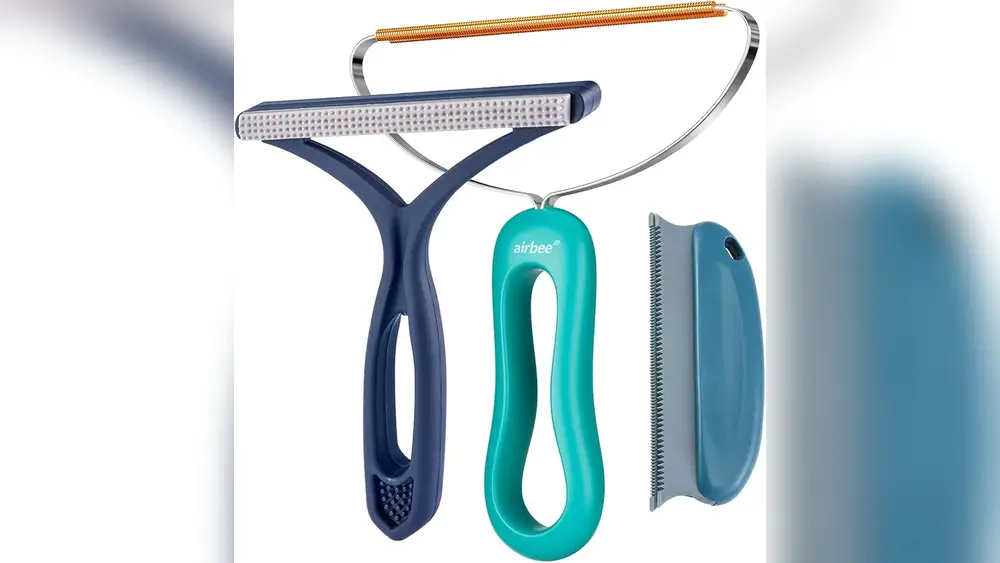
Pet hair inside your car can be a stubborn problem. If you travel often with your pets, you know how difficult it is to keep seats, carpets, and even the trunk free from fur. Regular vacuums rarely remove all the hair, especially when it sticks to fabric. This is where a pet hair remover brush for cars becomes essential. It is a simple tool designed to make cleaning easier, faster, and more effective. Whether you drive a sedan, SUV, or truck, a pet hair remover brush can help restore your car’s interior to a clean, hair-free state.
Why Pet Hair Is A Problem In Cars
Pet hair is more than just a cosmetic issue. It can cause allergies, make your vehicle look dirty, and even affect resale value. The fibers in car upholstery trap pet hair, making it hard to remove with regular cleaning. Over time, the accumulation of hair can create unpleasant odors and contribute to poor air quality inside the vehicle.
For people with sensitive skin or allergies, this can be a serious concern.
How Pet Hair Remover Brushes Work
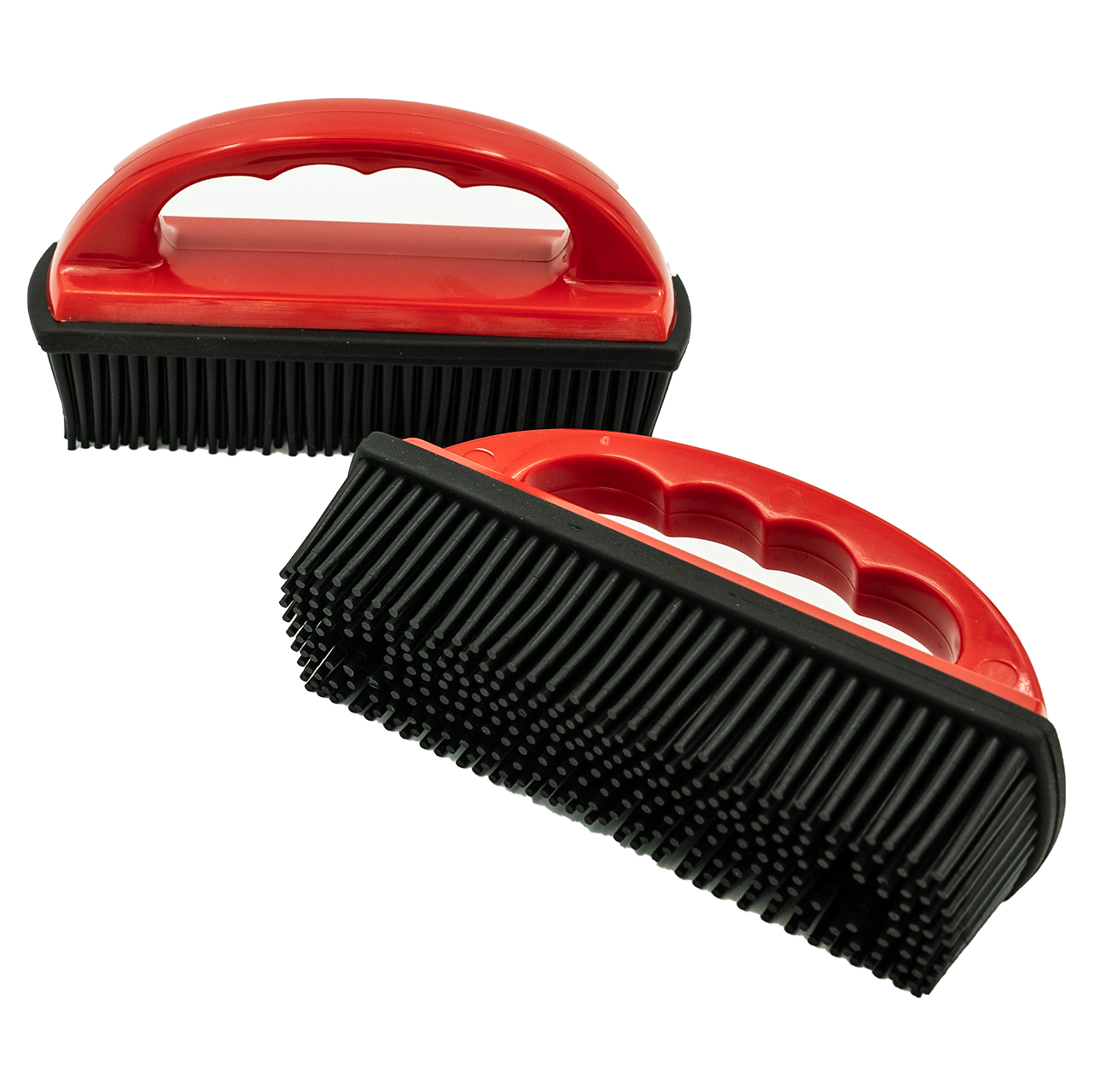
A pet hair remover brush uses friction and static electricity to lift hair from surfaces. Most brushes are made from rubber, silicone, or specially designed microfiber. As you sweep the brush over your car’s seats and carpets, the hair clings to the brush, making it easy to collect and discard.
Types Of Pet Hair Remover Brushes
There are several types of brushes on the market. Each has its own strengths:
- Rubber brushes: Use static electricity and friction, ideal for cloth and carpet.
- Silicone brushes: Flexible and gentle, good for delicate surfaces.
- Microfiber brushes: Trap and lift fine hair; best for light cleaning.
- Multi-surface brushes: Designed for both upholstery and hard surfaces.
Not all brushes are equal. Some work better on certain materials, so it’s important to choose the right one for your car.

Credit: www.elitecarcare.co.uk
Key Features To Look For
When selecting a pet hair remover brush for your car, consider the following:
- Material: Rubber and silicone are best for car interiors because they generate static and are easy to clean.
- Size and shape: Smaller brushes fit into tight spaces. Ergonomic handles make cleaning comfortable.
- Ease of cleaning: Brushes should be washable and resistant to odors.
- Durability: Look for a brush that will last through many uses.
- Versatility: Some brushes can be used on furniture at home as well as in the car.
A good brush should remove hair quickly without damaging the upholstery or leaving residue.
Comparing Pet Hair Remover Brushes
Let’s compare some popular options to help you understand how they differ:
| Brush Type | Best For | Ease of Use | Price Range |
|---|---|---|---|
| Rubber Brush | Cloth Seats, Carpets | High | $10–$20 |
| Silicone Brush | Leather, Delicate Fabrics | Medium | $12–$25 |
| Microfiber Brush | Light Cleaning | Medium | $8–$18 |
| Multi-surface Brush | All Surfaces | High | $15–$30 |
A rubber brush is often the best choice for cars, but if you have leather seats, a silicone brush may be safer.
Step-by-step Guide: Using A Pet Hair Remover Brush In Your Car
Follow these steps for maximum results:
- Prepare your car: Remove loose items and large debris before starting.
- Test the brush: Try the brush on a small area to make sure it does not damage the fabric.
- Brush in one direction: Sweep slowly, applying gentle pressure. Work in sections.
- Collect the hair: Use your hand or a dustpan to gather and discard the hair.
- Repeat as needed: For stubborn areas, go over the spot several times.
- Clean the brush: Wash with water and mild soap after each use.
Practical Tips
- Use short strokes for thick carpets and long strokes for seat covers.
- Brush under the seats and in tight corners, where hair often hides.
- For heavy shedding, brush twice a week.
Many users overlook the importance of cleaning the brush itself. If not washed regularly, the brush may transfer hair and odor back onto your car’s surfaces.
Real-life Example: Dog Owners’ Experiences
Sarah owns a Labrador Retriever, a breed known for shedding. She tried vacuuming, but her car’s fabric seats still looked messy. After switching to a rubber pet hair remover brush, she noticed a big difference. In less than 10 minutes, she removed most of the hair from the seats and floor mats.
The brush also worked well for the trunk and even on her dog’s travel blanket.
Another user, Mike, travels often with his cat. He uses a silicone brush because his car has leather seats. The brush is gentle and doesn’t scratch. Mike says it removes fine hair that sticks to the seat edges, something a vacuum cannot do.
Common Mistakes When Cleaning Pet Hair In Cars
Many people make these errors:
- Using only vacuums: Vacuums miss embedded hair.
- Not cleaning regularly: Waiting too long makes removal harder.
- Choosing the wrong brush: Not all brushes are suitable for every material.
- Brushing too roughly: Can damage upholstery or push hair deeper.
If you avoid these mistakes, your cleaning will be faster and more effective.
Benefits Of Using A Pet Hair Remover Brush
The advantages are clear:
- Efficiency: Removes more hair than vacuums alone.
- Cost-effective: Brushes are inexpensive and last a long time.
- Safe for upholstery: Does not harm seats or carpets.
- Portable: Easy to store in your glove box or trunk.
- Reduces allergens: Keeps air quality better for sensitive passengers.
Many people forget that keeping the car hair-free also helps with odors and keeps your vehicle looking newer.
Data: Pet Hair Removal Effectiveness
Studies show that manual brushes remove up to 90% of pet hair from fabric surfaces, compared to 60% for standard vacuums. In a test by a consumer group, cars cleaned with a rubber brush had visibly less hair and fewer odors after one week.
Here’s a quick comparison:
| Cleaning Tool | Hair Removal (%) | Time Needed (min) | Odor Reduction |
|---|---|---|---|
| Pet Hair Remover Brush | 90% | 10 | High |
| Vacuum Cleaner | 60% | 15 | Medium |
| Lint Roller | 50% | 20 | Low |
These numbers show why brushes are a smart investment for pet owners.
How To Maintain Your Pet Hair Remover Brush
Proper care keeps your brush working well:
- Wash with warm water and mild soap after each use.
- Dry completely before storing.
- Inspect for wear and tear; replace if bristles become damaged.
- Store in a clean, dry place to avoid odors.
Some users neglect maintenance, which leads to poor performance and short brush life.
When To Replace Your Brush
A quality brush should last for several months to a year, depending on how often you use it. Signs you need a new brush:
- Bristles are worn or broken.
- Handle feels loose or cracked.
- Brush no longer removes hair effectively.
Buying a replacement is affordable and ensures your car stays clean.
Comparing Brushes Vs Other Pet Hair Removal Tools
You might wonder if a brush is better than other tools. Here’s a quick overview:
| Tool | Pros | Cons |
|---|---|---|
| Pet Hair Remover Brush | Effective, Safe, Fast | Manual effort needed |
| Vacuum Cleaner | Good for loose hair | Misses embedded hair |
| Lint Roller | Easy for small areas | Not practical for whole car |
| Sticky Tape | Cheap | Messy, not reusable |
Brushes are especially useful because they combine efficiency and safety for all car surfaces.

Credit: www.amazon.com
Non-obvious Insights
Many beginners overlook two important points:
- Brushes also reduce static: Pet hair often sticks due to static electricity. Brushing helps discharge static, making hair easier to remove.
- Use the brush before vacuuming: Loosen and lift the hair first, then vacuum for a deep clean. This two-step process works better than vacuuming alone.
These tips can save time and keep your car cleaner longer.
Where To Buy Pet Hair Remover Brushes
You can find brushes at auto stores, pet shops, or online retailers. Look for brands with good reviews and clear instructions. For more information on pet hair removal methods and studies, you can visit Wikipedia.
Credit: www.ditecshop.com
Frequently Asked Questions
What Makes Pet Hair So Hard To Remove From Car Seats?
Pet hair gets trapped in fabric fibers and sticks due to static electricity. The texture of car upholstery holds hair tightly, so regular vacuums are often not enough.
How Often Should I Use A Pet Hair Remover Brush In My Car?
If you travel with pets weekly, brush your car’s seats and carpets at least once a week. For heavy shedders, twice a week is better.
Will A Pet Hair Remover Brush Scratch Leather Seats?
Most silicone brushes are gentle and safe for leather. Always test in a small area before using on the whole seat.
Can I Use A Pet Hair Remover Brush On Other Surfaces?
Yes, most brushes work on home furniture, clothing, and pet beds. Check the manufacturer’s instructions to confirm.
Are Pet Hair Remover Brushes Safe For People With Allergies?
Yes, brushes help remove hair and dander, which reduces allergens in your car. Regular cleaning improves air quality and comfort for sensitive passengers.
A pet hair remover brush is a simple tool with big benefits. It keeps your car cleaner, fresher, and safer for everyone. With the right brush and proper cleaning habits, pet owners can enjoy journeys without worrying about fur everywhere.
This small investment makes a big difference in your daily life and car care.