

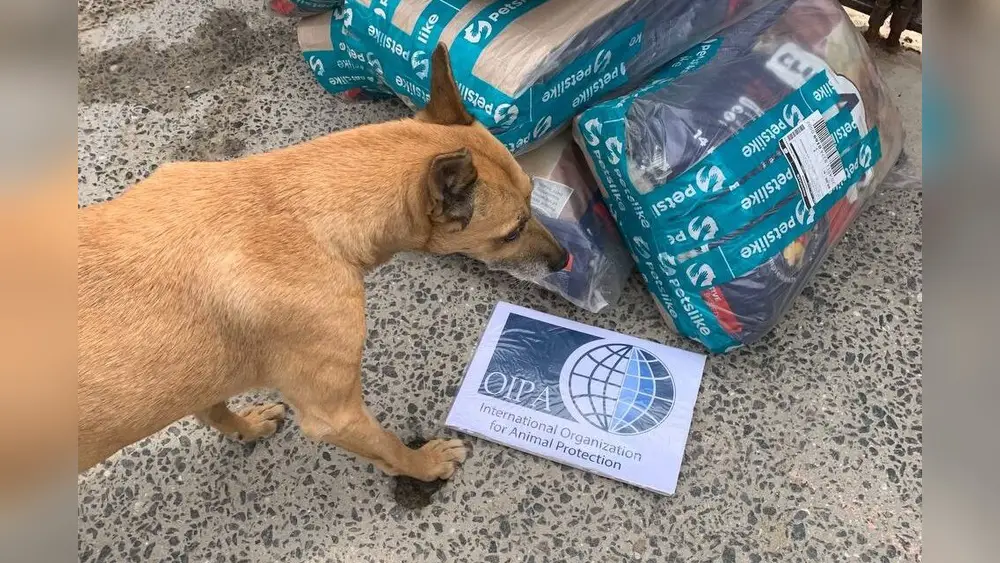
Are you wondering if you can get your pet’s favorite food delivered right to your doorstep, no matter where you live? Shipping pet food internationally sounds simple, but there are many rules and challenges involved that might surprise you.
If you want to make sure your furry friend never runs out of their trusted meals, understanding how online retailers handle international shipping is key. Keep reading to find out what you need to know before placing that order and how to avoid common pitfalls that could delay or block your shipment.
Your pet’s health and happiness depend on it!
International Shipping Rules
Shipping pet food internationally requires careful attention to rules and laws. Each country has different regulations. These rules protect local animals and plants from diseases. They also ensure the safety of the food being imported. Understanding these rules is key for smooth delivery.
Customs Regulations For Pet Food
Customs officials check all pet food shipments. They verify that the food meets safety standards. Many countries require pet food to be sealed and labeled properly. Some ingredients may be banned or restricted. Customs may hold or reject packages that do not follow rules.
Import Restrictions By Country
Each country sets its own import rules. Some ban certain types of meat or animal products. Others allow only dry food or treats. Rules can change often, so sellers must stay updated. Import restrictions protect local species from diseases and pests.
Required Documentation
Proper paperwork is needed to ship pet food internationally. Common documents include health certificates and ingredient lists. Some countries require import permits. Missing or incorrect documents cause delays or returns. Always check the destination country’s requirements before shipping.

Credit: www.gosupps.com
Types Of Pet Food Allowed
Understanding the types of pet food allowed for international shipping is key. Not all pet foods can be sent across borders. Rules depend on the food type, ingredients, and destination country. This helps keep pets safe and prevents the spread of diseases. Knowing what can and cannot be shipped avoids delays and extra costs.
Dry Vs. Wet Food Shipping
Dry pet food is easier to ship internationally. It has a longer shelf life and less risk of spoilage. Most countries allow dry kibble without many restrictions. Wet food, like canned or pouch food, often faces stricter rules. It contains more moisture and can spoil faster. Some countries require special permits or inspections for wet pet food.
Treats And Supplements
Treats and supplements can be shipped but with limits. Simple treats made from dried meats or grains are usually okay. Supplements with vitamins or minerals often need ingredient approval. Avoid products with unfamiliar or fresh ingredients. Check the rules for natural or herbal supplements as they vary widely.
Prohibited Ingredients
Many countries ban pet foods with certain ingredients. Meat from some animals, like pork or wild game, is often not allowed. Ingredients like raw eggs, dairy, or fresh fruits can be restricted. Some additives and preservatives may cause problems too. Always verify the ingredient list before shipping internationally.
Packaging And Labeling Needs
Shipping pet food internationally requires careful attention to packaging and labeling. These elements keep the food safe and ensure compliance with laws in different countries. Proper packaging stops damage and contamination during transit. Clear labels provide important information for customs and pet owners.
Ensuring Food Safety
Packaging must protect pet food from moisture, air, and pests. Sealed bags or cans keep the food fresh and free from germs. Strong outer boxes prevent crushing or tearing. Safe packaging helps maintain the quality of the food until it reaches the customer.
Labeling Standards For Export
Labels must follow the rules of the destination country. They should include the product name, ingredients, and net weight. Manufacturer details and contact information are necessary. Language on the label often needs to match the local language. Accurate labels make customs clearance easier and build trust with buyers.
Shelf Life And Storage
Pet food must have a clear expiration or best-before date. This helps buyers know how long the food stays good. Storage instructions on the label guide customers on keeping the food fresh. Proper storage during shipping also prevents spoilage and waste. Maintaining shelf life is key for customer satisfaction.
Shipping Methods And Costs
Shipping pet food internationally involves choosing the right method and understanding the costs. These factors affect delivery speed, safety, and price. Knowing the differences helps plan better and avoid surprises.
Air Vs. Sea Freight
Air freight is faster and best for urgent shipments. It keeps pet food fresh and safe. Costs are higher due to speed and special handling. Sea freight is slower but cheaper. It suits large orders and less urgent needs. Risk of damage or spoilage is higher on sea voyages.
Shipping Timeframes
Air shipments usually take 3 to 7 days. Sea shipments can take 3 to 8 weeks. Customs clearance can add extra days. Delays may occur during busy seasons. Planning ahead ensures your pet food arrives on time.
Cost Factors And Fees
Shipping costs depend on weight, size, and distance. Air freight charges more for heavy or bulky packages. Sea freight is cost-effective for large volumes. Customs duties and taxes may apply. Some countries require extra fees for pet food imports. Packaging and insurance add to total costs.
Challenges For Online Retailers
Selling pet food internationally brings many challenges for online retailers. Shipping food products across borders is not simple. Retailers must handle logistics, rules, and customer needs carefully.
These challenges affect how retailers manage returns, set customer expectations, and follow changing laws. Each area requires special attention to keep customers happy and stay compliant with laws.
Handling Returns And Refunds
Returns for pet food can be tricky. Food products may spoil or get damaged during shipping. Retailers must decide who pays for return shipping. Clear return policies help avoid confusion. Fast refunds build trust with customers. Retailers must inspect returned items carefully to prevent fraud.
Managing Customer Expectations
Customers expect fast delivery and fresh products. Shipping times vary due to customs and distance. Retailers should inform customers about possible delays. Product availability may differ by country. Clear communication about shipping and product details reduces complaints. Good customer service is key to managing expectations.
Dealing With Regulatory Changes
Each country has different rules for pet food imports. Regulations change often and can be strict. Retailers must stay updated on these laws. Non-compliance risks fines or shipment delays. Proper labeling and documentation are essential. Working with customs brokers can ease the process. Adapting quickly to new rules helps avoid problems.

Credit: www.gosupps.com
Expert Tips For Buyers
Buying pet food from international online stores can be tricky. It needs careful planning to avoid problems. Knowing some expert tips helps buyers get the best experience.
These tips focus on choosing trusted sellers, tracking orders, and following local rules. They make the process easier and safer for pet owners.
Choosing Reliable Retailers
Pick sellers with good reviews and clear contact details. Check if they specialize in pet food. Reliable retailers offer safe packaging and proper storage. Avoid stores without clear return policies.
Tracking Shipments
Always get a tracking number after ordering. Tracking helps you know where your order is. It reduces worry about lost or delayed packages. Use retailer websites or apps to check shipment status regularly.
Checking Local Regulations
Different countries have rules about importing pet food. Some products may be banned or need special permits. Check your country’s customs website for details. Follow all rules to avoid fines or order rejection.
Credit: junglejims.com
Frequently Asked Questions
Can Pet Food Be Shipped Internationally By Online Retailers?
Yes, many online retailers ship pet food internationally. However, shipping depends on the destination country’s import regulations and restrictions on pet food products.
What Are The Common Restrictions On International Pet Food Shipping?
Restrictions often include import permits, ingredient limitations, and customs inspections. Some countries prohibit certain meat-based or organic pet foods.
How Long Does International Pet Food Shipping Usually Take?
Shipping times vary by carrier and destination. Typically, international pet food shipments take 7 to 21 business days to arrive.
Are There Extra Fees For International Pet Food Shipments?
Yes, additional fees may include customs duties, taxes, and handling charges. These costs depend on the destination country’s import policies.
Conclusion
Shipping pet food internationally can be tricky but possible. Rules vary by country and product type. Always check customs regulations before ordering. Choose sellers who know shipping rules well. Shipping costs and delivery times may differ. Proper packaging keeps pet food fresh during transit.
Understanding these points helps you make smart choices. Keep your pet’s health and safety in mind. International shipping can work with careful planning. Stay informed and shop wisely for your pet.