

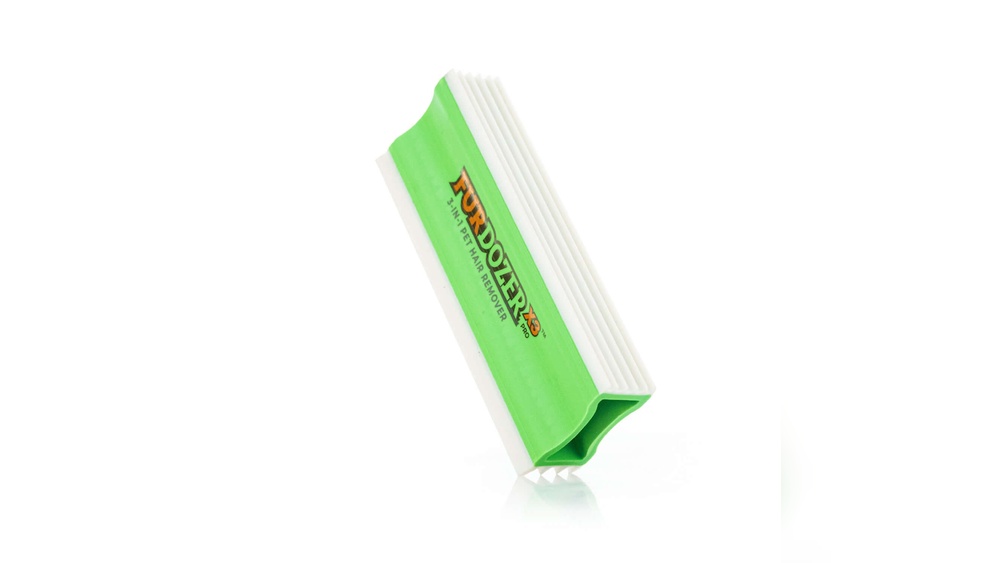
Pet owners know the struggle: no matter how much you love your furry friends, their hair finds its way everywhere. On couches, carpets, car seats, and even clothes—pet hair can be stubborn and hard to remove. Traditional cleaning tools often miss the mark, leaving behind frustrating traces. But a simple invention is changing the game: the rubber pet hair remover. This tool is gaining popularity for its ability to tackle pet hair where other tools fail. Let’s explore what makes it so effective, how it works, and how to choose the right one for your needs.
How Rubber Pet Hair Removers Work
Rubber pet hair removers are designed specifically for removing pet hair from various surfaces. The secret lies in the properties of rubber. Unlike synthetic bristles or lint rollers, rubber creates static electricity when rubbed against fabric. This static attracts pet hair, causing it to lift and stick to the tool.
Most rubber pet hair removers come in two main forms:
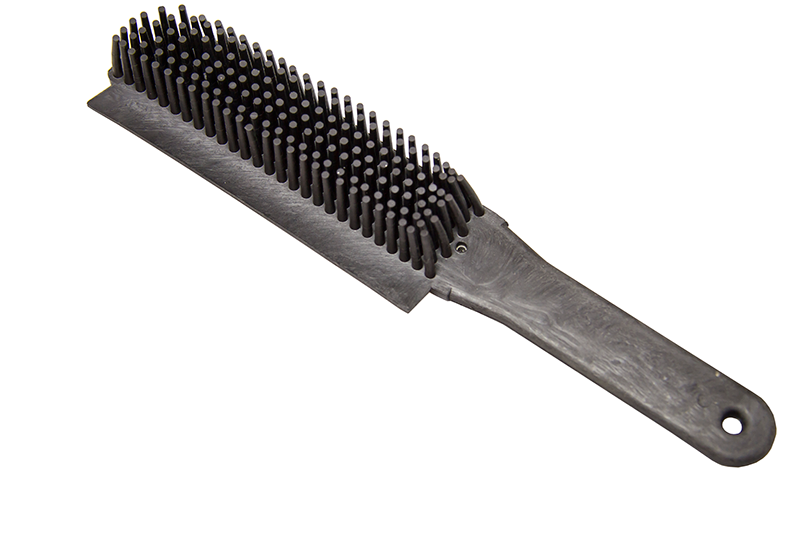
- Rubber brushes: These have flexible rubber bristles that grab hair from upholstery and carpets.
- Rubber squeegees: Flat rubber blades that are ideal for hard surfaces or large areas.
Rubber is also gentle, so it doesn’t damage fabrics or scratch surfaces. The non-stick nature means pet hair doesn’t cling to the tool, making cleaning easier.
Types Of Rubber Pet Hair Removers
Pet owners can choose from several types, each suited to different cleaning needs. Here are the most common forms:
- Handheld Rubber Brushes: These fit comfortably in your hand and are perfect for sofas, beds, and car interiors.
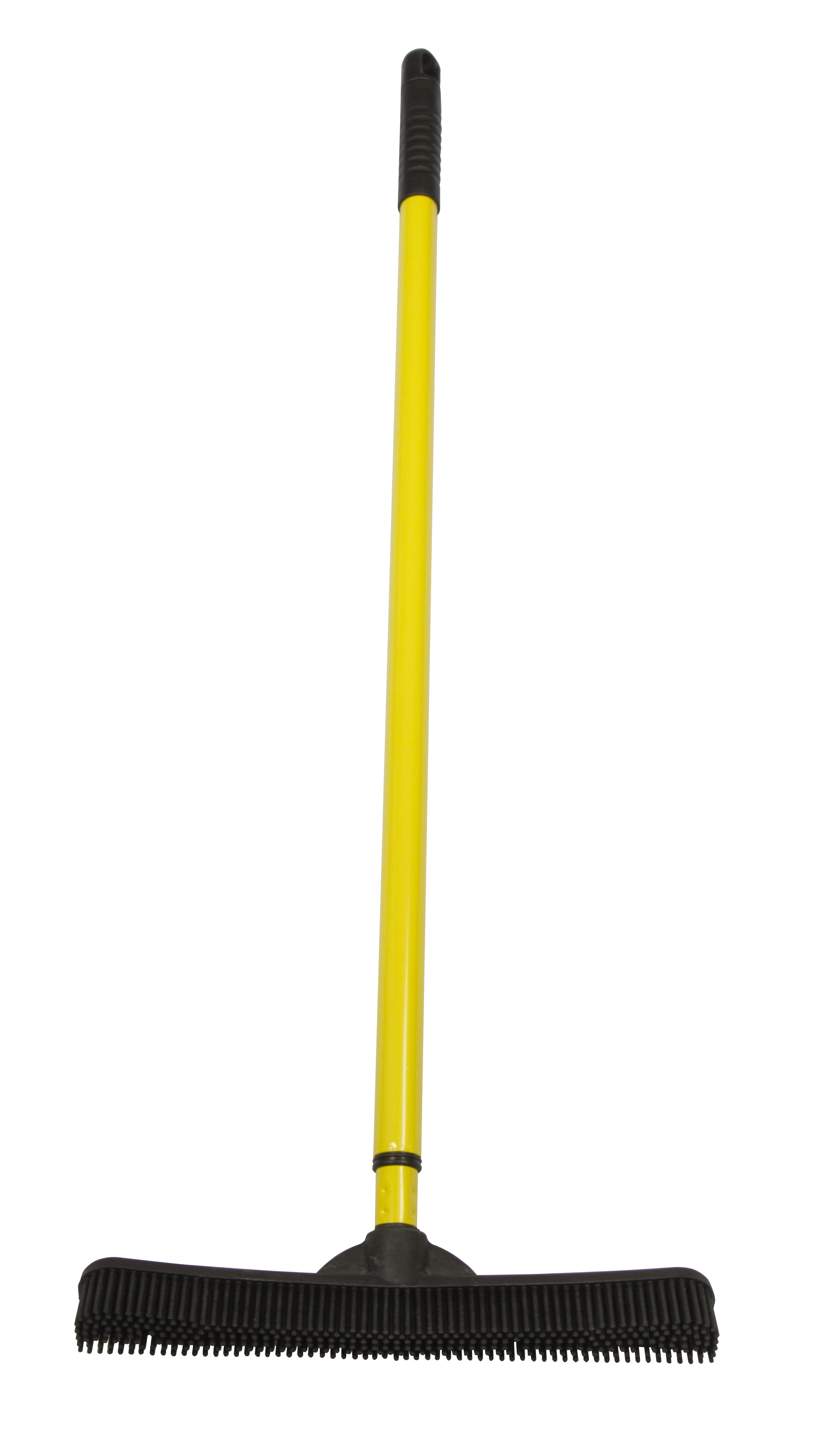
- Rubber Brooms: Long-handled brooms with rubber bristles, ideal for floors and rugs.
- Rubber Gloves: Worn like regular gloves, they let you “pet” your furniture or clothes to remove hair.
- Rubber Squeegees: Used for smooth surfaces like tiles or hardwood floors.
- Multi-purpose Rubber Tools: Some tools combine brush and squeegee features for more versatility.
Each type offers unique benefits depending on the surface and the amount of pet hair.
Comparing Rubber Pet Hair Removers To Other Tools
To understand the value of rubber pet hair removers, it helps to compare them to common alternatives. Here’s a quick look at how rubber stacks up against other popular methods:
| Tool | Effectiveness | Ease of Use | Surface Compatibility | Cost |
|---|---|---|---|---|
| Rubber Pet Hair Remover | High | Easy | Most surfaces | Low–Medium |
| Lint Roller | Medium | Easy | Clothes & small areas | Low |
| Vacuum Cleaner | Medium–High | Moderate | Floors, upholstery | Medium–High |
| Sticky Tape | Low | Moderate | Small areas | Low |
Rubber pet hair removers consistently stand out for versatility, cost, and ease of use.
Key Benefits Of Rubber Pet Hair Removers
Using a rubber pet hair remover offers several advantages:
- Efficient Hair Removal: Rubber grabs hair quickly, even from deep within fabric fibers.
- Gentle on Surfaces: Unlike stiff brushes or harsh chemicals, rubber won’t damage upholstery or scratch floors.
- Reusable & Eco-Friendly: No sticky sheets or disposable parts—just rinse and reuse.
- Low Maintenance: Cleaning the tool is simple. Most rubber brushes can be washed under water.
- Versatile: Works on couches, carpets, car seats, clothing, and even pet beds.
A non-obvious insight: rubber tools also remove dust, lint, and small debris alongside pet hair, saving time and effort.
Choosing The Right Rubber Pet Hair Remover
With so many options, selecting the best tool can feel confusing. Here’s what really matters:
Surface Type
Consider where you’ll use the remover most:
- Upholstery & fabric: Handheld brushes or gloves work best.
- Hard floors: Rubber brooms or squeegees are ideal.
- Car interiors: Smaller brushes fit tight spaces.
Bristle Design
The thickness and shape of rubber bristles affect performance. Thicker bristles are good for carpets, while finer bristles suit delicate fabrics.
Handle Comfort
Ergonomic handles reduce strain during long cleaning sessions. Some tools offer adjustable handles or soft grips.
Cleaning & Maintenance
Choose a tool that’s easy to wash. Some rubber brushes are dishwasher safe, while others just need a quick rinse.
Price & Durability
Rubber tools range from $10 to $40. Higher-priced models often feature stronger rubber and better handles. But even budget options are effective for most homes.
A common buyer mistake: ignoring bristle design. Many people pick the cheapest tool, only to find it doesn’t suit their main cleaning surface.
Practical Tips For Using Rubber Pet Hair Removers
Getting the most from your rubber pet hair remover takes a little practice. Here are some tips:
- Use Short, Firm Strokes: Instead of rubbing lightly, apply steady pressure in one direction to lift hair.
- Clean the Tool Frequently: Rinse off collected hair every few minutes. This keeps the tool working efficiently.
- Moisten the Rubber: Lightly dampening the rubber can increase static and pick up more hair.
- Combine with Vacuuming: After using the rubber tool, vacuum to catch any leftover hair.
- Use on Pet Beds: Rubber is gentle enough for pet bedding, helping reduce allergens.
Many beginners forget to clean their tool often. This slows down performance and leaves hair behind.
Credit: www.walmart.com
Real-world Examples And Results
Pet owners often share impressive before-and-after stories. For example, a survey by the American Pet Products Association found that 67% of dog owners struggle with hair removal from upholstery. After switching to rubber pet hair removers, many report a visible reduction in cleaning time and better results.
One user noted, “I used to spend 30 minutes cleaning my car seats. With a rubber brush, it takes less than 10 minutes—and gets all the hair. ”
Another insight: rubber tools are especially effective for short-haired breeds, where hair is harder to see and remove.
Comparing Popular Rubber Pet Hair Removers
Let’s look at three well-known products and how they compare:
| Brand | Type | Bristle Design | Price | Best For |
|---|---|---|---|---|
| FURemover | Broom | Thick, long bristles | $25 | Large areas, floors |
| PetMate | Handheld brush | Fine, short bristles | $15 | Upholstery, car seats |
| Mr. Siga | Glove | Smooth surface | $12 | Clothes, bedding |
Each option fits a different need. If you want versatility, a glove is handy for quick cleaning. For deep cleaning, a broom or brush offers more power.
Credit: tomahawkusa.com
Maintenance And Longevity
Rubber pet hair removers are built to last. Most last several years with proper care. Here’s how to keep yours in top shape:
- Rinse after each use: Removes hair and keeps rubber tacky.
- Avoid harsh chemicals: Soap and water are enough.
- Store away from sunlight: UV rays can harden rubber over time.
- Check for damage: If the rubber splits or loses elasticity, it’s time to replace.
On average, a quality rubber pet hair remover lasts 2–4 years, making it a smart investment.
Cleaning Performance: Data And Statistics
Data shows rubber pet hair removers outperform traditional tools in many situations. In a test by Pet Hair Solutions, rubber brushes removed 95% of visible pet hair from upholstery in under five minutes. By comparison, lint rollers removed 70%, and vacuums 80%.
Rubber tools also reduced airborne dust by 30%, helping improve air quality.
Another study found that rubber brooms picked up 40% more hair from carpets than standard sweepers. This efficiency is why many professional cleaners use rubber tools for pet hair jobs.
Environmental Impact
Pet owners often worry about waste from cleaning products. Rubber pet hair removers are eco-friendly because they are reusable and do not rely on disposable pads or sticky sheets. Most are made from natural or recycled rubber, reducing environmental impact.
A single rubber brush can replace dozens of lint rollers, saving money and reducing landfill waste. For those who want to make greener choices, rubber is a smart option.
The Science Behind Rubber’s Effectiveness
Rubber works because of static electricity. When rubbed against fabric, rubber creates a mild electrical charge. This charge attracts pet hair, dust, and lint, making it easy to collect. Rubber’s flexibility also lets it reach deep into fabric fibers.
Not all rubber is equal, though. Natural rubber produces more static than synthetic types. That’s why some premium tools use natural rubber for better results.

Credit: www.amazon.com
Common Mistakes To Avoid
Many beginners don’t use the tool correctly. Here are mistakes to watch for:
- Using too little pressure: Light strokes won’t pick up hair.
- Ignoring bristle type: The wrong bristle shape can damage delicate fabrics.
- Forgetting to clean the tool: Hair buildup reduces effectiveness.
- Using on wet surfaces: Rubber works best on dry or slightly damp surfaces.
- Storing in sunlight: UV light degrades rubber quickly.
A quick tip: always read the instructions. Each tool has its own best practices.
Where To Buy Rubber Pet Hair Removers
You can find rubber pet hair removers at pet stores, supermarkets, and online retailers. Popular brands include FURemover, PetMate, and Mr. Siga. For reliable options and reviews, check out Consumer Reports.
Frequently Asked Questions
What Surfaces Can I Use A Rubber Pet Hair Remover On?
Rubber pet hair removers work on most surfaces, including upholstery, carpets, hard floors, clothing, and pet beds. Choose the right tool for each surface—for example, a broom for floors and a brush for couches.
How Do I Clean A Rubber Pet Hair Remover?
Cleaning is simple. Rinse under running water and remove hair by hand. For deeper cleaning, use mild soap. Avoid harsh chemicals or soaking in hot water.
Is A Rubber Pet Hair Remover Safe For Delicate Fabrics?
Yes, rubber is gentle and won’t damage most fabrics. However, test on a small area first, especially with fine materials like silk or velvet.
Can I Use A Rubber Pet Hair Remover For Other Cleaning Tasks?
Absolutely. Rubber tools can remove dust, lint, and small debris as well as pet hair. Many people use them for cleaning car interiors and even windows.
How Often Should I Replace My Rubber Pet Hair Remover?
With proper care, a rubber pet hair remover lasts 2–4 years. Replace if the rubber becomes hard, cracks, or loses flexibility.
Removing pet hair doesn’t need to be a chore. A rubber pet hair remover is a simple, affordable tool that brings real results. With the right technique and tool, you can keep your home cleaner, fresher, and more comfortable for both you and your pets.
Whether you’re dealing with thick carpets or delicate fabrics, rubber tools offer a reliable solution. Try one for yourself—you may be surprised how much easier pet hair removal becomes.