
Are you thinking about buying crickets as pet food but aren’t sure if it’s the right choice? You’re not alone.
Crickets have become a popular option for feeding pets like reptiles, birds, and amphibians. But before you make a decision, it’s important to weigh the pros and cons. Understanding the benefits and potential downsides can help you save money, keep your pets healthy, and avoid surprises.
Keep reading, and you’ll discover everything you need to know to make the best choice for your furry or scaly friend.
Credit: www.petsuppliesplus.com
Benefits Of Using Crickets As Pet Food
Crickets offer many benefits as pet food. They provide essential nutrients pets need. They are also easy to manage and store. Many pets naturally eat insects, making crickets a good choice.
High Nutritional Value
Crickets contain protein, vitamins, and minerals. They help pets grow strong and stay healthy. Their nutrients support energy and muscle development. This makes crickets a smart food option.
Sustainable Protein Source
Crickets need less water and space than other animals. They produce fewer greenhouse gases. This makes them better for the planet. Feeding pets crickets helps reduce environmental impact.
Easy To Store And Handle
Crickets are simple to keep at home. They require little space and basic care. You can store them live or freeze-dried. This convenience saves time and effort for pet owners.
Natural Diet For Many Pets
Many reptiles, birds, and amphibians eat insects in the wild. Crickets match their natural diet well. Feeding crickets helps pets feel comfortable and satisfied. It also supports their digestion and health.
Challenges Of Feeding Pets Crickets
Feeding pets crickets comes with certain challenges. These issues can affect your pet’s health and your convenience. Understanding these challenges helps you make better choices for pet care.
Potential Allergies And Sensitivities
Some pets may be allergic to crickets. Signs include itching, swelling, or digestive upset. Monitor your pet closely after feeding crickets. Stop feeding crickets if any allergy signs appear.
Risk Of Parasites And Contamination
Crickets can carry parasites and bacteria. These can harm your pet’s health. Buy crickets from trusted sources only. Clean and store them properly to reduce risks.
Short Shelf Life
Crickets spoil quickly without proper care. They need a cool, dry place to stay fresh. Use them fast to avoid waste. Old crickets lose nutrients and can make pets sick.
Cost Considerations
Crickets may cost more than other pet foods. Prices can add up if your pet eats many. Consider your budget before choosing crickets. Compare prices with other food options.
Types Of Crickets Available For Pets
Crickets are a popular choice for pet food. They come in different types and forms. Choosing the right cricket can affect your pet’s health and enjoyment. Understanding the types helps make better choices for your pet’s diet.
Crickets vary by species, freshness, and source. Each type has pros and cons. Knowing these details ensures you feed your pet safely and nutritiously.
Common Species Used
The most common cricket species for pets is the house cricket. It is easy to raise and widely available. Another popular type is the banded cricket. It is slightly larger and has a stronger exoskeleton. Some pet owners use field crickets, which are wild and less predictable. Each species offers different sizes and nutritional values. Choose based on your pet’s size and needs.
Live Vs. Freeze-dried Options
Live crickets are fresh and encourage natural hunting behavior in pets. They provide moisture and keep pets active. Freeze-dried crickets last longer and are easier to store. They do not move, making feeding less messy. Freeze-dried options may lose some nutrients during processing. Live crickets require care and proper housing to stay healthy. Select the form that fits your pet’s habits and your convenience.
Sourcing From Reliable Suppliers
Buy crickets from trusted suppliers to avoid health risks. Poor-quality crickets may carry diseases or pesticides. Reliable sellers offer well-cared-for insects free from harmful substances. They usually provide information about cricket origin and care. Check reviews and certifications when choosing a supplier. Safe crickets protect your pet’s health and improve feeding experience.
How To Choose Quality Crickets
Choosing quality crickets for pet food is essential for your pet’s health. Poor-quality crickets can carry diseases or lack nutrition. The right crickets boost your pet’s energy and growth. Knowing what to check helps you pick the best crickets every time.
Signs Of Healthy Crickets
Healthy crickets move actively and chirp regularly. Their bodies should be firm and free from spots or damage. Avoid crickets that look weak, slow, or have missing legs. Bright eyes and smooth shells show good health. Healthy crickets live longer and provide better nutrition.
Avoiding Pesticide Exposure
Crickets exposed to pesticides can harm your pet. Choose crickets from farms that do not use chemicals. Ask sellers about their farming practices. Organic crickets or those raised indoors are safer. Always avoid crickets caught from the wild, as they may carry toxins.
Feeding And Gut-loading Practices
Gut-loading means feeding crickets nutritious food before giving them to pets. Crickets fed healthy diets are rich in vitamins and minerals. Look for sellers who provide fresh vegetables and grains to crickets. Avoid crickets fed only on dry or low-quality food. Proper gut-loading improves your pet’s health and vitality.
Tips For Feeding Crickets To Pets
Feeding crickets to pets requires some care and attention. Proper feeding helps keep your pet healthy. It also ensures crickets are safe and nutritious. Follow these simple tips to make feeding easier and better for your pet.
Proper Feeding Frequency
Feed crickets to your pet according to its size and needs. Small pets need fewer crickets, while larger pets need more. Avoid overfeeding, as it can cause health problems. A few times a week is often enough. Keep track of how much your pet eats daily.
Handling And Storage Tips
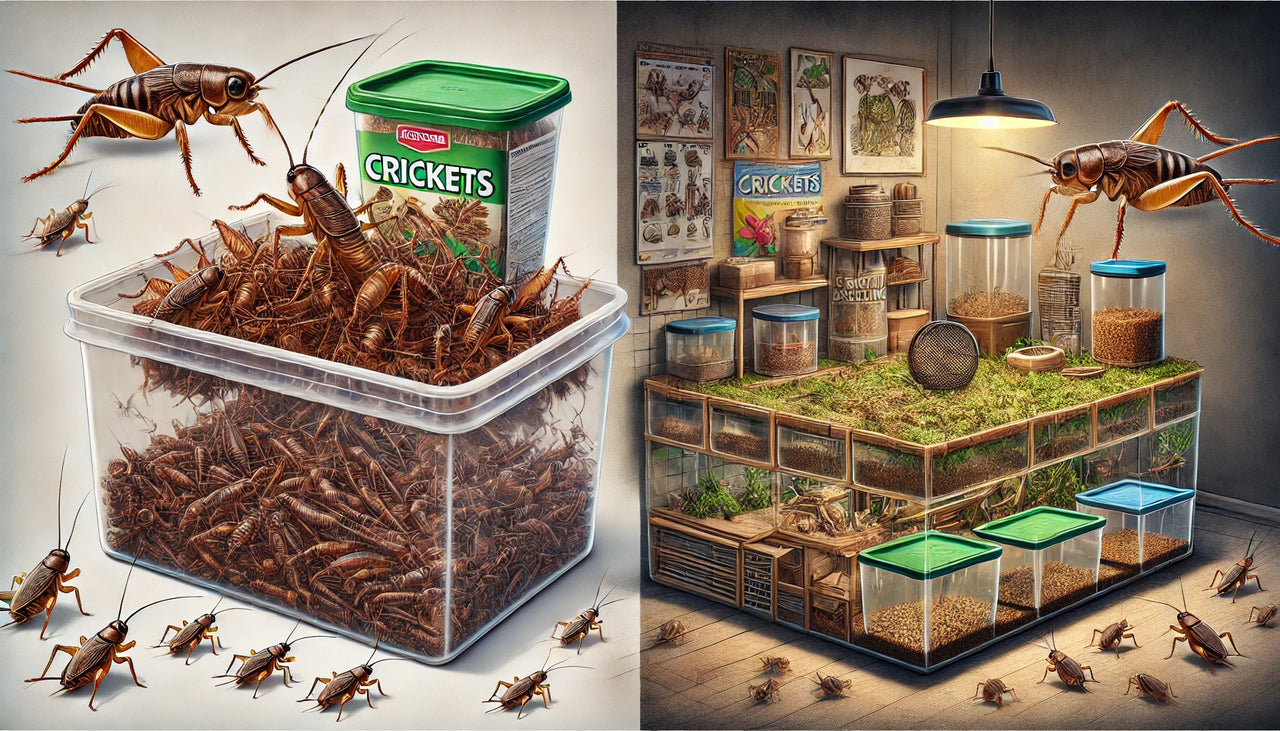
Keep crickets in a clean, dry place before feeding. Store them in a ventilated container with some food and water. Handle crickets gently to avoid injury. Wash your hands after touching crickets. This practice reduces the risk of spreading germs to your pet.
Monitoring Pet Reactions
Watch your pet closely after feeding crickets. Look for signs of allergies or digestive issues. If your pet shows unusual behavior, stop feeding crickets temporarily. Consult a vet if problems continue. Regular monitoring helps keep your pet safe and healthy.
Credit: www.thecritterdepot.com
Alternatives To Crickets In Pet Diets
Crickets are a popular choice for pet food but not the only option. Pets need variety for balanced nutrition and interest. Alternatives to crickets can provide different nutrients and textures. These options suit different pet types and owner preferences.
Other Insect Options
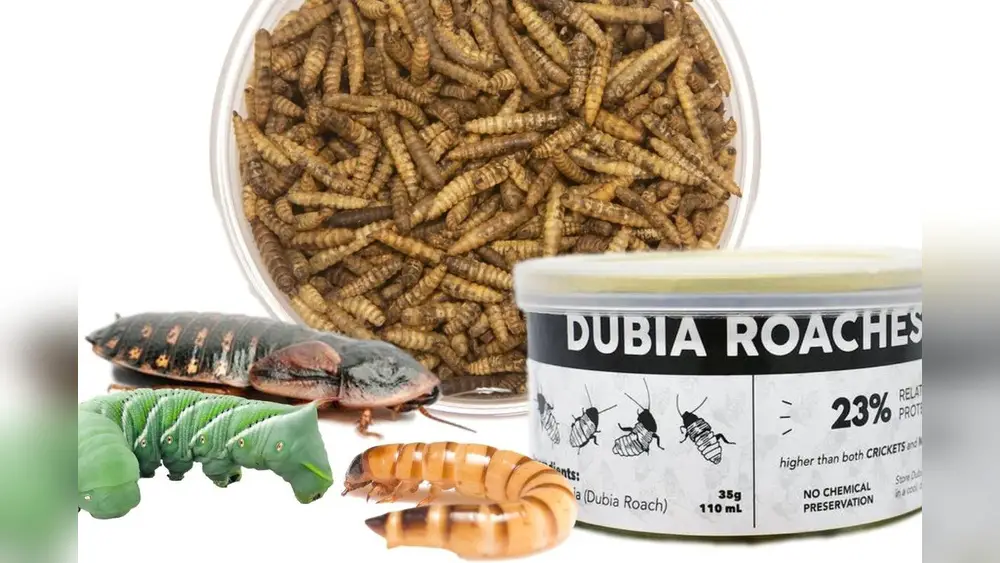
Mealworms, waxworms, and black soldier fly larvae are common insect alternatives. They offer diverse protein and fat levels. Some pets prefer the taste and texture of these insects. Each insect type has unique nutrients to support pet health. Rotating insects helps keep pets interested and healthy.
Commercial Pet Foods
Commercial foods come in dry, canned, or freeze-dried forms. They often include balanced vitamins and minerals. These foods are convenient and easy to store. Some brands use insect protein or traditional ingredients like chicken. Always check labels to ensure quality and safety.
Homemade Diets
Homemade diets allow control over ingredients and nutrition. They can include cooked meats, vegetables, and grains. Some pet owners blend insects into homemade recipes. Consult a vet to create a balanced diet. Homemade meals require careful preparation and storage.
Credit: www.thecritterdepot.com
Frequently Asked Questions
What Are The Benefits Of Feeding Crickets As Pet Food?
Crickets are nutrient-rich, providing protein and vitamins essential for many pets. They are easy to store and breed. Using crickets supports sustainable feeding and reduces reliance on traditional livestock. They also stimulate natural hunting behaviors in pets, enhancing mental and physical health.
Are There Any Health Risks With Feeding Crickets?
Feeding crickets may carry risks like parasites or pesticides if not sourced properly. Always buy from reputable suppliers to ensure safety. Gut-loading crickets before feeding improves their nutrition and minimizes health risks to your pet.
How Do Crickets Compare To Other Pet Food Insects?
Crickets offer high protein and are widely accepted by reptiles, amphibians, and birds. Compared to mealworms, crickets have better calcium-to-phosphorus ratios. They are less fatty and more affordable, making them a popular choice for balanced pet diets.
What Is The Best Way To Store Live Crickets?
Store live crickets in a well-ventilated container at room temperature. Provide food like fruits and vegetables and keep them dry. Avoid overcrowding to prevent stress and death, ensuring a healthy cricket supply for your pets.
Conclusion
Buying crickets as pet food has clear benefits and some drawbacks. They provide good nutrition and are easy to store. Crickets can keep your pets healthy and active. Yet, they may carry diseases if not handled well. Some pets might not like eating crickets at first.
Consider your pet’s needs and your comfort with caring for crickets. Balancing pros and cons helps you make a smart choice. Crickets can be a good option for many pet owners.