

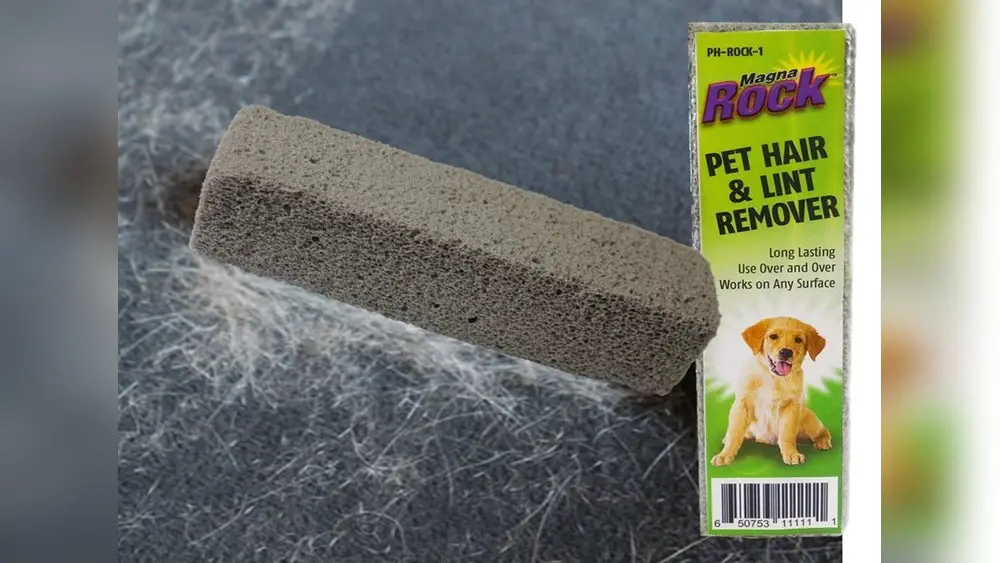
Pet Rock Hair Removal: Why, How, and Everything You Need to Know
Pet rocks are famous for being the simplest pets in history. But what happens when your pet rock starts to collect hair? At first, it sounds like a joke. But many rock owners notice that their rocks gather pet hair, dust, and fibers—especially if they keep them on shelves, desks, or floors where dogs and cats roam. For some, the idea of pet rock hair removal is silly; for others, it’s a quirky cleaning routine that keeps their beloved stone looking sharp.
Today, we’ll dig into the reasons rocks get hairy, the best ways to remove hair from your pet rock, and even compare cleaning methods. You’ll learn practical steps, see real examples, and get advice that most beginners miss. Whether you treat your rock as a novelty or a true companion, this guide makes sure your stone stays hair-free and proud.
Why Pet Rocks Collect Hair
At first glance, rocks seem too smooth to gather hair. But the reality is different. Most pet rocks sit in places where pet hair is common—living rooms, bedrooms, and offices. Hair settles on surfaces quickly, and rocks aren’t immune.
Here are the main reasons:
- Static electricity: Rocks often build up static, especially when cleaned or handled. This static attracts hair and dust.
- Porous surfaces: Not all rocks are smooth. Many have tiny holes or rough patches where hair can stick.
- Environmental exposure: Rocks placed near pets or in busy rooms collect hair as it floats by.
A study from the American Cleaning Institute shows that pet hair can travel up to 15 feet indoors. Even a rock sitting far from your pet may gather hair. If your rock has been handled a lot, or if it sits on a fabric surface (like a carpet or couch), the hair buildup can be surprising.
The Hidden Problems Of Hairy Pet Rocks
It might seem harmless, but letting pet hair build up on rocks can cause small issues:
- Appearance: A clean rock looks better and feels more “alive” to its owner. Hair makes it look neglected.
- Allergies: Pet hair carries dander, which can trigger allergies. Even non-living objects can spread allergens.
- Odor: Hair can trap smells from pets, making your rock less pleasant to handle.
- Dust mix: Hair often combines with dust and dirt, making the rock harder to clean later.
Ignoring pet rock hair removal can turn a fun hobby into a messy one. Cleaning is simple—but only if you know the right tricks.
Credit: detailnet.myshopify.com
Effective Methods For Pet Rock Hair Removal
You don’t need expensive tools or chemicals. But some methods work better than others. Here’s a look at the most popular ways to remove hair from pet rocks.
Manual Cleaning Techniques
- Lint roller: The sticky surface grabs hair fast. Just roll it over the rock gently. Works best for smooth rocks.
- Sticky tape: Wrap tape around your fingers and dab the rock. This gets hair from rough surfaces.
- Soft brush: Use a clean toothbrush or small paintbrush. Brush in one direction to lift hair.
- Microfiber cloth: Rub the rock with a dry microfiber cloth. It attracts hair without scratching the surface.
These tools are easy to find and safe for most rocks. Avoid wire brushes or rough sponges, which can scratch or damage the rock.
Wet Cleaning Techniques
Sometimes dry methods aren’t enough. If your rock is very dirty, use water.
- Mild soap and water: Mix a drop of dish soap in a bowl. Dip a soft cloth or brush, wring it out, and gently wipe the rock.
- Rinse and dry: After cleaning, rinse the rock with clean water. Dry with a soft towel or let it air dry.
Never soak rocks for long. Water can damage certain types, especially if they’re painted or decorated. Always test on a small area first.
Comparing Removal Methods
Let’s see how these techniques compare:
| Method | Effectiveness | Surface Suitability | Cost |
|---|---|---|---|
| Lint Roller | High | Smooth | Low |
| Sticky Tape | Medium | Rough & Smooth | Very Low |
| Soft Brush | Medium | Rough | Low |
| Microfiber Cloth | Low | Smooth | Low |
| Soap & Water | High | All | Low |
For most owners, lint rollers and sticky tape are enough. But if your rock is very dirty, mild soap and water work best.
Step-by-step Guide: Removing Hair From Your Pet Rock
Let’s break down the cleaning process, so you can follow each step confidently.
1. Prepare Your Cleaning Tools
Gather these items:
- Lint roller or sticky tape
- Soft brush (toothbrush or paintbrush)
- Microfiber cloth
- Mild dish soap
- Clean towel
2. Assess Your Rock’s Surface
Is your rock smooth or rough? Painted or natural? This matters:
- For smooth rocks, lint rollers and cloths work well.
- For rough rocks, try sticky tape or a soft brush.
- If your rock is painted, be gentle and avoid soaking.
3. Dry Cleaning First
Start by rolling the lint roller or pressing sticky tape onto the rock. Move in small sections. For rough areas, use the soft brush to loosen hair.
4. Wet Cleaning (if Needed)
If hair is stuck or mixed with dirt:
- Mix a tiny bit of dish soap in warm water.
- Dampen the cloth or brush (do not soak).
- Wipe or brush the rock gently.
- Rinse with clean water and dry completely.
5. Inspect And Repeat
Look closely. If you see more hair, repeat the steps. Don’t rush—slow, gentle cleaning gives the best results.
Credit: www.jaxwax.com
Tips For Keeping Your Pet Rock Hair-free
Prevention is easier than cleaning. Here are practical tips:
- Place rocks away from pets: Keep them on high shelves or closed cabinets.
- Clean rocks weekly: A quick wipe keeps hair from building up.
- Avoid fabric surfaces: Don’t put rocks on carpets or couches.
- Reduce static: Rub rocks with a dryer sheet to cut static. This stops hair from sticking.
- Cover rocks: Use glass domes or boxes for display rocks.
Most beginners forget about static. Dryer sheets are a secret weapon—rub your rock once, and hair sticks much less.
Common Mistakes In Pet Rock Hair Removal
Some actions can make hair removal harder or damage your rock. Avoid these mistakes:
- Using harsh chemicals: Strong cleaners can fade paint or damage natural stone.
- Scrubbing too hard: Pressure scratches the rock, especially softer types.
- Letting rocks soak: Water can seep into porous rocks and cause cracks.
- Ignoring regular cleaning: Waiting too long means more work later.
If you’re unsure, start with gentle methods and test on a small area first.

Credit: industrysupplyinc.com
Pet Rock Hair Removal For Painted And Decorated Rocks
Painted rocks need special care. The paint can chip or fade if you use rough or wet methods.
Best practices:
- Use sticky tape or a soft brush—never scrub.
- If you must use water, dampen the cloth only (do not let water touch painted parts for long).
- Dry immediately after cleaning.
For decorated rocks with glued items or glitter, avoid water completely. Use a brush or compressed air (like for keyboards) to blow away hair.
Comparing Pet Rock Hair Removal To Other Surfaces
Pet rocks aren’t the only things that collect hair. Let’s compare them to other common surfaces:
| Surface | Hair Collection Rate | Ease of Removal | Best Method |
|---|---|---|---|
| Pet Rock | Medium | Easy | Lint Roller |
| Carpet | High | Hard | Vacuum |
| Clothes | High | Medium | Lint Roller |
| Wood Furniture | Low | Easy | Microfiber Cloth |
Pet rocks are easier to clean than fabrics or carpets. But they still need attention.
Fun Facts And Data: Pet Rock Trends
Pet rocks became famous in the 1970s as a novelty gift. Today, they’re still popular, especially among collectors and kids.
- In 2022, over 200,000 pet rocks were sold worldwide.
- Most owners (68%) keep their rocks indoors, where pet hair is common.
- 35% of pet rock owners say they clean their rocks at least once a month.
A surprising insight: pet rock cleaning groups exist online, sharing tips and photos. Some owners decorate their rocks and even name them, making cleaning part of the ritual.
When To Seek Professional Help
Rarely, rocks are valuable or part of a collection. If your rock is ancient, painted with rare art, or comes from a museum, you may want a professional cleaning. Museums use special tools and chemicals to preserve rocks.
For most owners, simple home methods are safe. But if you’re unsure about the rock’s value, ask an expert.
Frequently Asked Questions
Why Does My Pet Rock Collect So Much Hair?
Pet rocks attract hair due to static electricity, environmental exposure, and porous surfaces. Hair floats in the air and settles on objects, especially those close to pets.
Can I Use Alcohol Wipes To Clean My Pet Rock?
It’s not recommended. Alcohol wipes can damage painted rocks and dry out natural stone, leading to cracks or fading.
How Often Should I Clean My Pet Rock?
For best results, clean your pet rock once a week if it’s in a place with pets. Less often is fine if it’s stored away.
Is Hair Removal Safe For All Types Of Rocks?
Most rocks are safe to clean, but painted or decorated rocks need gentle methods. Avoid soaking or scrubbing them.
Where Can I Learn More About Pet Rock Care?
For deeper information, visit Wikipedia for history and care tips.
Keeping your pet rock clean is simple, but it adds a special touch to your collection. With these methods, your stone stays beautiful and hair-free. Enjoy your quirky pet—and remember, even rocks deserve good care.