

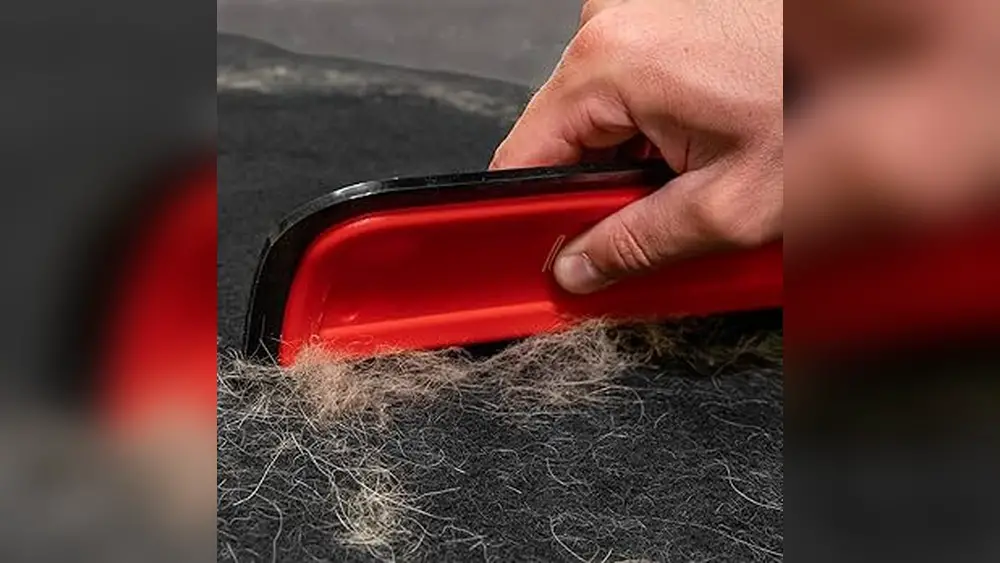
If you love traveling with your pets, you know how quickly pet hair can take over your car. Whether it’s a quick drive to the park or a long road trip, fur sticks to seats, carpets, and even gets inside vents. Removing pet hair from your car is not only about keeping it clean; it also helps with allergies, keeps your car smelling fresh, and protects your vehicle’s value. The good news: with the right tools and techniques, you can easily tackle this hairy problem. This guide will help you understand what works, what doesn’t, and how to make your car a fur-free zone.
Why Pet Hair Is Hard To Remove From Cars
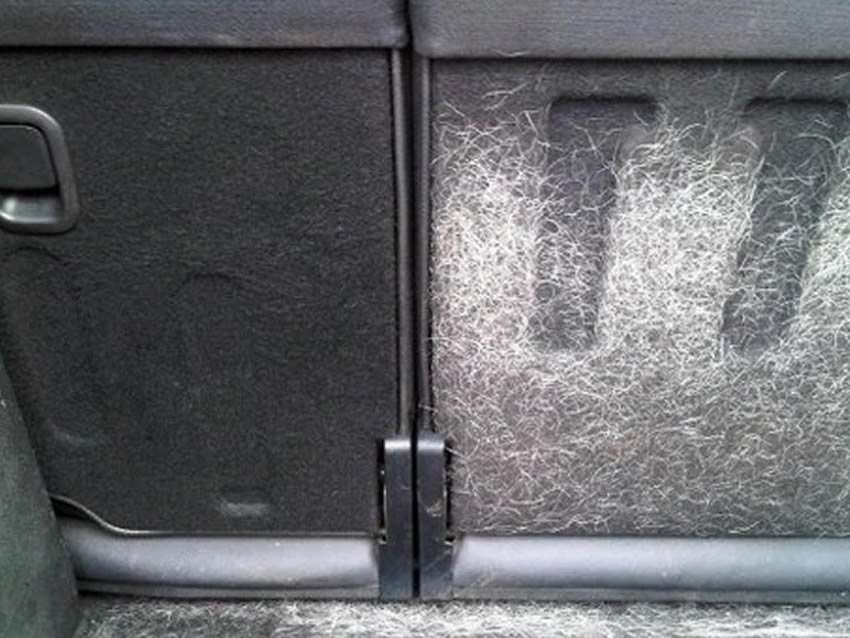
Pet hair clings to car interiors because of static electricity and the texture of fabrics. Most car seats and carpets are made from materials that attract and hold hair tightly. The hair gets woven into the fibers or trapped in corners and gaps. Unlike crumbs or dirt, pet hair doesn’t just vacuum up—it needs special attention.
Some cars have smoother surfaces, but most have fabric seats, mats, and even textured plastic that catch fur. If you drive often with pets, you might notice that hair builds up quickly, especially in hard-to-reach places. The combination of static, rough fabrics, and movement makes regular cleaning a must.
Essential Tools For Car Pet Hair Removal
You don’t need expensive gadgets to remove pet hair. What matters is picking the right tool for your car’s interior and your pet’s coat. Here’s a comparison of popular tools:
| Tool | Best For | Price Range | Effectiveness |
|---|---|---|---|
| Vacuum with Pet Hair Attachment | Seats, carpets | $50–$200 | High |
| Rubber Glove | Seats, mats | $3–$10 | Medium |
| Lint Roller | Small areas, dashboards | $5–$15 | Low–Medium |
| Pet Hair Brush | Fabric seats | $10–$25 | High |
| Fabric Softener Spray | Loosening hair | $5–$10 | Medium |
How Each Tool Works
- Vacuum with Pet Hair Attachment: Powerful suction and special brushes grab hair deep in the fabric.
- Rubber Glove: The rubber creates friction, making hair stick to the glove. Great for quick sweeps.
- Lint Roller: Picks up surface hair, but not deep-down fur.
- Pet Hair Brush: Special bristles pull hair out of fabric.
- Fabric Softener Spray: Loosens hair so it’s easier to remove.
Step-by-step: Removing Pet Hair From Your Car
Cleaning pet hair from your car works best if you follow a simple routine. Here’s how to do it:
1. Remove Loose Items
Take out floor mats, seat covers, and anything that can be cleaned separately.
2. Shake Out Mats And Covers
Shake mats outside to remove loose hair. Use a stiff brush or vacuum.
3. Vacuum Thoroughly
Use a vacuum with a pet hair attachment. Go slowly over seats, carpets, and crevices. Pay extra attention to corners and seams.
4. Rubber Glove Method
Put on a rubber glove, dampen it slightly, and rub the glove over seats and carpets. Hair will stick to the glove—rinse and repeat.
5. Use A Pet Hair Brush
Brush seats in different directions. This helps pull hair out of the fibers.
6. Apply Fabric Softener Spray
Mix water and a small amount of fabric softener in a spray bottle. Lightly mist seats and carpets, then wipe with a cloth or brush.
7. Lint Roller For Final Touch
Use a lint roller for dashboards, door panels, and any leftover hair.
8. Vacuum Again
A second vacuum pass can pick up any loosened hair.
Practical Example
Suppose you drive a sedan with fabric seats and a golden retriever. After a trip to the beach, your car is full of sand and hair. Start by removing the mats and shaking them out. Vacuum the seats and floors, then use a damp rubber glove to lift stubborn hair.
Brush out the seats, spray with diluted fabric softener, and finish with a lint roller. This routine takes about 30–45 minutes but leaves your car clean and fresh.
Comparing Methods: What Works Best?
Different methods suit different cars and pets. Here’s a quick comparison:
| Method | Speed | Best For | Effort Level |
|---|---|---|---|
| Vacuuming | Fast | Large areas | Medium |
| Rubber Glove | Medium | Stubborn hair | Low |
| Pet Hair Brush | Medium | Deep cleaning | High |
| Fabric Softener Spray | Slow | Loosening hair | Low |
| Lint Roller | Fast | Small spots | Low |
Non-obvious Insights
- Mixing methods is more effective than using just one tool.
- Dampening surfaces slightly before brushing or vacuuming can help loosen hair thanks to reduced static.
- Vacuuming after brushing picks up more hair, since brushing brings hidden fur to the surface.

Credit: www.amazon.com
Tips For Preventing Pet Hair Build-up
The best way to keep your car clean is to stop pet hair before it starts. Here’s how:
1. Use Seat Covers
Washable covers catch most of the hair and are easy to clean.
2. Brush Your Pet Before Trips
A quick brushing removes loose hair and reduces shedding during the ride.
3. Keep Windows Closed
Open windows can blow hair into hard-to-reach places.
4. Regular Cleaning
Clean your car weekly if you travel often with pets.
5. Keep Pets In A Carrier Or Blanket
This limits the area hair can reach.
Example
If you drive with your cat often, put a blanket on the seat. After the trip, shake out the blanket and wash it. This simple habit can reduce hair in your car by 70%.
Mistakes To Avoid When Cleaning Pet Hair
Many people waste time or damage their car by making these common mistakes:
- Using too much water: Wetting seats too much can cause mold or stains.
- Scrubbing with a rough brush: Can tear fabric or leave marks.
- Skipping regular cleaning: Hair builds up and gets harder to remove.
- Trying to vacuum all hair: Some hair needs to be loosened first.
- Ignoring vents and crevices: Hair hides in small spaces and keeps coming back.
Credit: www.alistdetailing.com
Dealing With Pet Hair In Hard-to-reach Areas
Pet hair doesn’t just stick to seats—it finds its way into vents, between seats, and under mats. Here’s how to tackle these spots:
- Compressed Air: Blow out hair from vents and tight spaces.
- Detailing Brushes: Use small, soft brushes to reach corners and seams.
- Vacuum Crevice Tool: A narrow nozzle helps get deep into gaps.
- Sticky Putty: Press sticky cleaning putty into crevices to lift hair.
Example
After cleaning the main areas, use a detailing brush and vacuum crevice tool for cup holders and seat cracks. You’ll be surprised how much hair hides there.
Is Professional Cleaning Worth It?
Sometimes, pet hair is so bad that a DIY clean isn’t enough. Professional car cleaning services use high-powered vacuums, steam cleaners, and special products. Prices range from $75–$200 depending on your location and car size.
Professional cleaning is worth it if:
- Hair is deeply embedded in seats or carpets.
- You have allergies and need a deep clean.
- You want to sell your car and need it spotless.
Otherwise, regular home cleaning is enough for most pet owners.

Credit: www.xlncautobeautyca.com
How Pet Hair Affects Your Car’s Value And Health
Pet hair doesn’t just look messy—it can cause problems:
- Allergies: Hair traps dander, which can trigger allergic reactions.
- Odor: Hair holds smells from pets and sometimes moisture.
- Resale Value: Buyers see pet hair as a sign of poor maintenance.
A clean car helps you stay healthy and keeps your car’s value high. Removing pet hair regularly is a smart investment.
Data: Pet Owners And Car Cleaning Habits
Statistics show that pet hair is a big concern for drivers:
| Statistic | Value |
|---|---|
| US households with pets | 70% |
| Pet owners who travel with pets | 60% |
| Drivers who clean pet hair weekly | 25% |
| People with pet allergies | 20% of population |
These numbers show why pet hair removal is important—not just for cleanliness but for health and comfort.
Recommended Products For Car Pet Hair Removal
Some products are made just for pet hair removal. Here are popular choices:
- Bissell Pet Hair Eraser Handheld Vacuum: Compact, strong suction, designed for pet hair.
- Fur-Zoff Pet Hair Remover: Rough stone-like tool scrapes hair from fabric.
- ChomChom Roller: Manual roller, reusable, no sticky sheets needed.
- Pet Hair Removal Gloves: Wear them while petting your animal or cleaning.
Always check reviews and pick products that fit your car’s interior. For more details, see this Consumer Reports guide.
Frequently Asked Questions
How Often Should I Clean Pet Hair From My Car?
For frequent pet travelers, clean pet hair every week. If your pet sheds less or rides rarely, monthly cleaning may be enough. Regular cleaning prevents hair from building up and makes each session easier.
Can I Use Household Products For Pet Hair Removal?
Yes, items like rubber gloves, fabric softener, and lint rollers work well. However, specialized tools like pet hair brushes or vacuums are more effective for large jobs.
Is Vacuuming Enough To Remove All Pet Hair?
Vacuuming removes most loose hair, but deeply embedded hair needs brushing or dampening first. Combining methods gets the best results.
Will Pet Hair Damage My Car?
Pet hair itself doesn’t damage, but it can cause odor, allergies, and reduce resale value. Ignoring hair can lead to stains or problems if moisture gets trapped.
What’s The Fastest Way To Remove Pet Hair From My Car?
The quickest method is using a rubber glove or a pet hair brush for seats and a vacuum for floors. Dampening the surface slightly before brushing speeds up the process.
Keeping your car free of pet hair is possible with the right tools and habits. Regular cleaning, prevention, and knowing which methods to use will keep your car comfortable and healthy for both you and your furry passengers.