

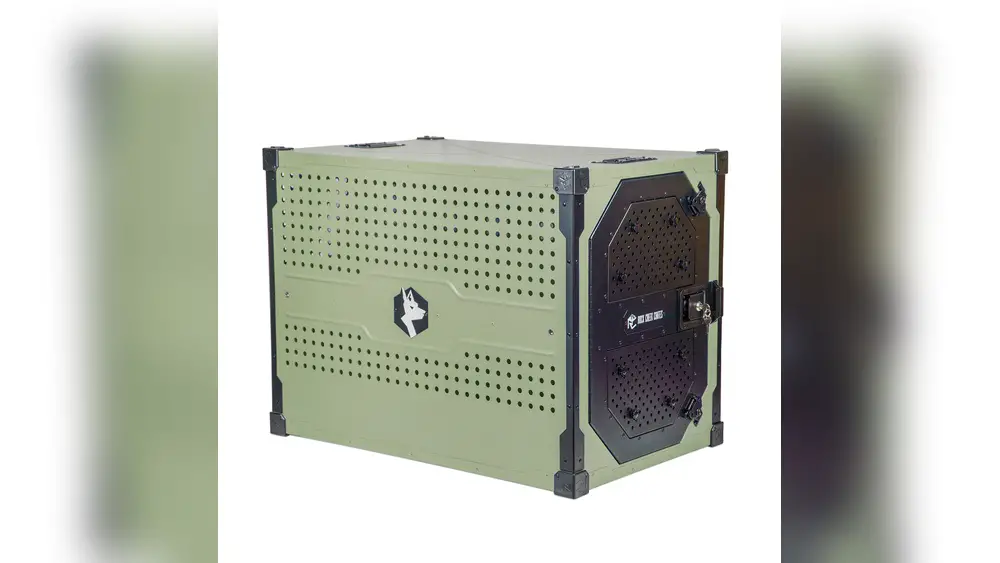
When your large dog struggles with being alone, life can get hard for both you and your pet. Dogs with separation anxiety might bark, chew, or even hurt themselves when left in a room or house alone. The right dog crate can help. But picking the best dog crate for separation anxiety large dogs is not easy. You need a crate that is strong, safe, and makes your dog feel calm. This guide will help you understand what matters most, compare top options, and give you the insights you need to choose with confidence.
Why Do Large Dogs Need Special Crates For Separation Anxiety?
Separation anxiety can be harder for large dogs. They are strong, heavy, and sometimes very clever. A normal wire or plastic crate is often not enough. Some large dogs will bend, break, or escape from crates if they feel stressed.
This is not just about keeping your home safe—it’s about keeping your dog safe, too.
Most large breeds have powerful jaws and paws. They can chew through weak materials or push open simple latches. If a crate is not secure, your dog could get out and hurt themselves. Or, they could get stuck trying, which can lead to injuries.
That’s why crates for separation anxiety need to be much stronger, with escape-proof locks and sturdy build.
What To Look For In A Dog Crate For Separation Anxiety
Not all crates are the same. If your dog suffers from separation anxiety and is a large breed, you need to pay attention to these key features:
1. Material Strength
A crate made from heavy-duty steel or reinforced metal is best. Avoid thin wire or plastic. Look for crates that use thick bars and welded joints.
2. Escape-proof Design
Check the doors and latches. The best crates have double locks or special latches that dogs cannot open with their nose or paws. Some crates have sliding bolts or key-lock doors for extra safety.
3. Proper Ventilation
Dogs with anxiety need good airflow. Choose crates with lots of openings for air and light, but with bars close enough that your dog cannot squeeze out.
4. Size And Space
Large dogs need room to stand, turn, and lay down. Measure your dog from nose to tail and floor to head. Add a few inches to make sure your dog is comfortable.
5. Chew-proof Coating
Dogs with anxiety may chew the crate. A powder-coated finish can help stop rust and damage from chewing.
6. Easy Cleaning
Accidents can happen when dogs are stressed. Removable trays or easy-to-clean floors will make your life much easier.
7. Mobility And Storage
Some heavy-duty crates have wheels for moving, or they can fold down for travel. Wheels should lock in place, so the crate does not move when your dog is inside.
8. Comfort And Noise Reduction
Crates with soft or rounded edges are safer. Some crates are quieter, which can help dogs who are scared by loud sounds.
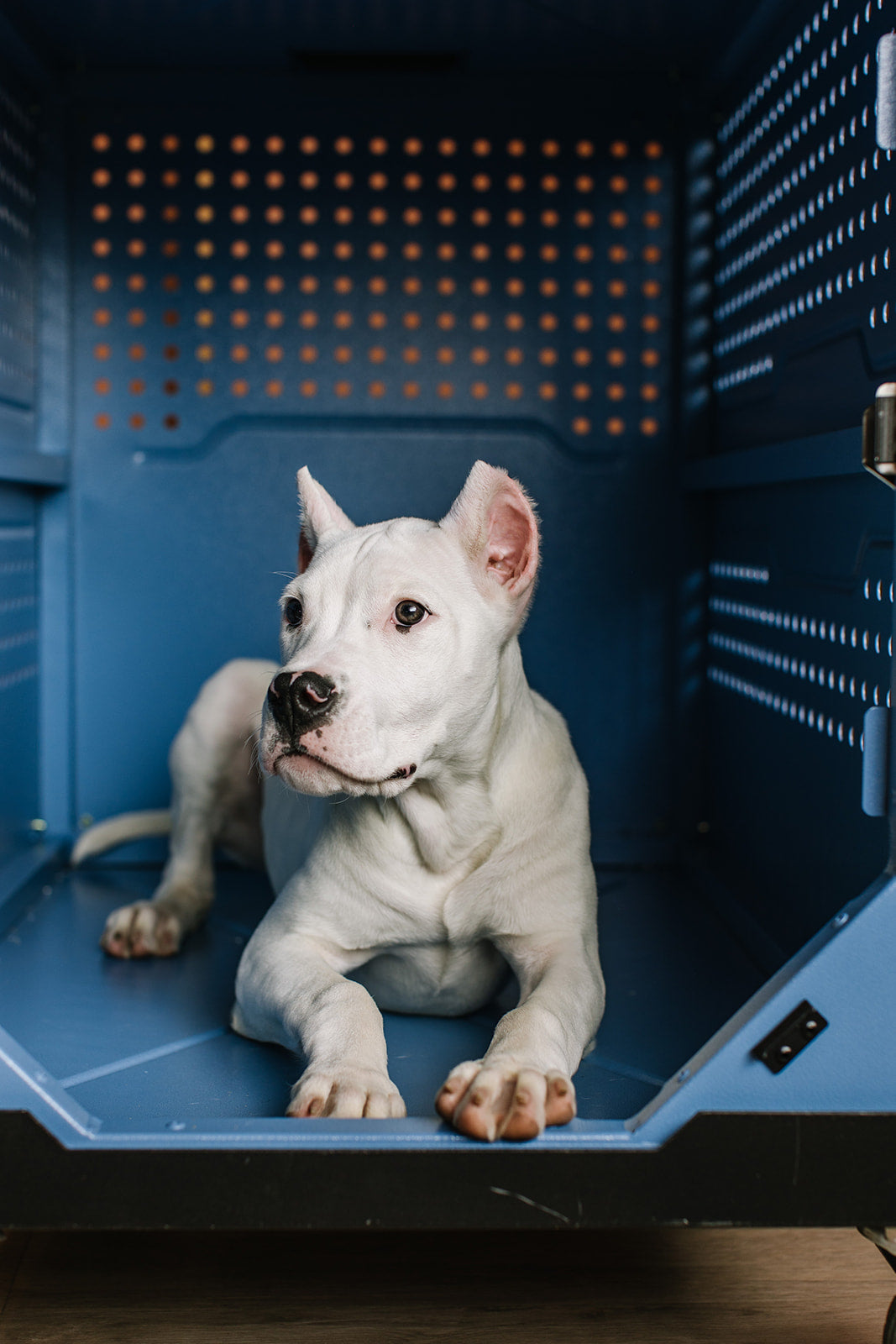
Credit: rockcreekcrates.com
Top 7 Best Dog Crates For Separation Anxiety In Large Dogs
Choosing the best crate means looking at real products used by dog owners and professionals. Here are the top 7 crates that are strong, safe, and have a good record for helping large, anxious dogs:
1. Impact Collapsible Dog Crate
One of the most respected names in heavy-duty crates, the Impact Collapsible Dog Crate is made from aircraft-grade aluminum. It’s both strong and lighter than solid steel crates. The crate features welded seams, a butterfly latch that is very hard for dogs to open, and an escape-proof design.
Owners find it easy to assemble and collapse, making it great for travel. It has rounded corners and a powder-coated finish for safety and long life. The crate comes in sizes up to 48 inches, so it fits even the largest breeds like German Shepherds and Great Danes.
One non-obvious benefit: the crate’s smooth sides and solid build make it much quieter when your dog moves around, which can help reduce anxiety triggers.
2. Proselect Empire Dog Cage
This crate is famous for its indestructible design. Made from 20-gauge steel and reinforced with 0.5-inch steel tubes, the ProSelect Empire is built for escape artists. It features two slide-bolt latches and a grated floor with a removable tray for easy cleaning.
The Empire Dog Cage is heavy (over 70 pounds for the large size), but it comes with removable locking casters to move it easily. Many owners say their dogs who broke out of other crates could not escape this one.
A tip for beginners: always lock the wheels when the crate is in place—large, strong dogs can move the crate if the wheels are left unlocked.
3. Gunner G1 Kennel
The Gunner G1 is a unique, double-walled rotomolded plastic crate. It’s tested to withstand car crashes and is almost impossible for dogs to break out. The walls are 2 inches thick, which helps block outside noise and keeps the temperature more stable inside.
It has a strong, escape-proof door, stainless steel hardware, and a drainage system for accidents. While not metal, the G1 is just as strong but quieter, which is important for anxious dogs who react to loud sounds.
One insight: the G1 is IATA-approved for air travel and offers extra protection in cars, so it’s a good choice for travel as well as home use.
4. Luckup Heavy Duty Dog Crate
The LUCKUP crate offers a great balance of strength, price, and features. It is made from heavy-duty steel with a non-toxic finish. The crate has two doors (front and top), and both use double locks with safety buckles.
It has a pull-out tray for easy cleaning and four wheels for movement (all lockable). The crate is available up to 48 inches, fitting most large breeds.
A non-obvious insight: the top door can be useful for feeding or comforting your dog without letting them escape.
5. Frisco Ultimate Heavy Duty Steel Metal Dog Crate
Frisco’s Ultimate crate is made from 22-gauge steel and features thick bars and reinforced corners. The crate uses a dual-lock system and has a grated floor with a removable tray.
It is very sturdy but also easy to assemble. Many users like the crate’s simple, boxy design—it fits well in homes and can double as a sturdy end table.
Tip: Always check the welds and joints on delivery. A solid crate should have no sharp spots or loose ends.
6. Midwest Ultima Pro Dog Crate
While the Ultima Pro is a wire crate, it uses the strongest wire of any MidWest crate. It has three doors, heavy-gauge wire, and secure slide-bolt latches. Some owners of large, anxious dogs find this crate holds up well, especially if the dog is not a heavy chewer.
This crate is lighter than metal-bar crates and folds flat, making it easy to store. It comes with a divider panel, so you can adjust the crate size as your dog grows.
A practical insight: add a crate cover or blanket to make the crate feel safer and block out triggers that make your dog anxious.
7. Smithbuilt Heavy Duty Dog Crate
SmithBuilt offers a professional-grade crate made from strong steel with a rust-resistant coating. It has two doors (side and top), double latches, and a removable tray. The crate is designed for dogs who chew or push.
It is easy to clean and comes with locking wheels. The crate is available in large sizes and is known for its reasonable price compared to other heavy-duty models.
A tip: always check that the latches are fully closed before leaving your dog inside—anxious dogs can sometimes nudge them open if not secured.
Comparison Of Top Dog Crates For Separation Anxiety In Large Dogs
Here is a quick comparison of the main features for these popular crates:
| Crate Model | Main Material | Escape-Proof? | Sizes (inches) | Weight | Cleaning Ease |
|---|---|---|---|---|---|
| Impact Collapsible | Aluminum | Yes | 30-48 | 35-55 lbs | Easy |
| ProSelect Empire | Steel | Yes | 37-42 | 75 lbs | Moderate |
| Gunner G1 | Rotomolded Plastic | Yes | 34-48 | 50-75 lbs | Very Easy |
| LUCKUP | Steel | Yes | 38-48 | 60 lbs | Easy |
| Frisco Ultimate | Steel | Yes | 36-48 | 70 lbs | Easy |
| MidWest Ultima Pro | Wire Steel | Somewhat | 42-48 | 35 lbs | Very Easy |
| SmithBuilt | Steel | Yes | 36-48 | 65 lbs | Easy |
Credit: buddyrest.com
How To Choose The Right Size Crate For Your Large Dog
Picking the right size is critical. Too small, and your dog feels trapped. Too big, and your dog may feel unsafe or use a corner as a bathroom. Here’s how to measure:
- Length: Measure your dog from nose to tail. Add 4–6 inches.
- Height: Measure from the floor to the top of your dog’s head or ears. Add 2–4 inches.
- Width: The crate should be wide enough for your dog to turn around easily.
Here is a general size guide for popular large breeds:
| Breed | Suggested Crate Size (inches) |
|---|---|
| German Shepherd | 42–48 |
| Labrador Retriever | 42–48 |
| Golden Retriever | 42–48 |
| Rottweiler | 48 |
| Great Dane | 48+ |
| Bernese Mountain Dog | 48 |
A non-obvious tip: If your dog is still growing, buy a crate with a divider panel. This lets you adjust the living space as your dog gets bigger, which can prevent accidents and help with training.
Crate Training Tips For Dogs With Separation Anxiety
A crate is not just a box for your dog. It should be a safe, happy place. Here’s how to help your dog feel better about their crate:
Make It Positive
Always introduce the crate with treats, toys, or their favorite bedding. Feed your dog meals in the crate at first, but leave the door open. Never use the crate as a punishment.
Start Slow
Let your dog explore the crate at their own pace. First, ask them to go in and out with the door open. Next, close the door for a few seconds, then a minute, then longer. Always reward calm behavior.
Add Comfort
Place a chew-proof mat or bed in the crate. Some dogs feel safer with a blanket over the crate to block out light and noise. For anxious dogs, try leaving an item that smells like you.
Practice Short Absences
Start by leaving your dog alone for just a few minutes. Slowly increase the time. Use a camera to watch if your dog gets upset. If they bark or panic, go back to shorter absences.
Avoid Common Mistakes
- Don’t rush the process. Go at your dog’s speed.
- Don’t let your dog out if they are barking or whining—wait for calm.
- Don’t use the crate only when you leave. Make it part of daily life.
A practical tip: Give your dog a long-lasting chew or puzzle toy in the crate. This can help distract and calm them when you are not home.
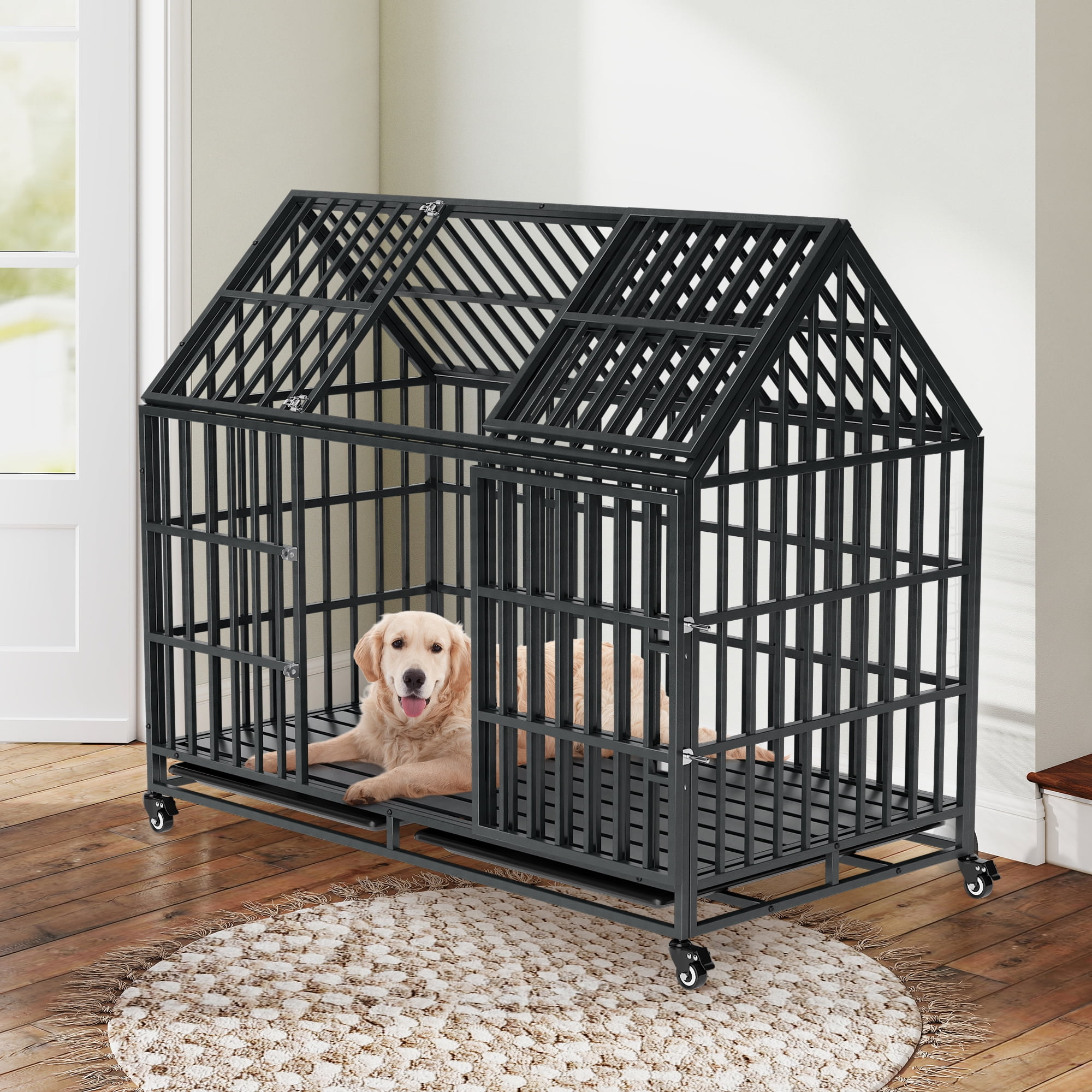
Credit: www.woolyyarn.com
Mistakes To Avoid When Buying A Crate For Separation Anxiety
Even experienced owners can make errors. Here are the most common mistakes:
1. Buying A Weak Crate
Many people try a regular wire or plastic crate first. Most large anxious dogs will escape or hurt themselves.
2. Wrong Size
Too small, and your dog feels trapped. Too big, and they may use a corner as a bathroom.
3. Ignoring Ventilation
Some crates are strong but have poor airflow. This can make dogs panic.
4. Forgetting About Cleaning
Stress can cause accidents. If you cannot remove the tray or clean the crate easily, it will be a problem.
5. Skipping Comfort
Hard, cold crates feel like punishment. Add a safe mat or bedding.
6. Not Securing The Latches
Even the best crate can be opened if you forget to lock it properly.
7. Choosing Price Over Safety
Cheap crates may save money now but cost more if your dog escapes or gets injured.
A less obvious mistake: Not checking for sharp edges or poor welds. Run your hand around the inside of the crate. Even a small rough spot can injure your dog during an anxious episode.
Alternatives To Heavy-duty Dog Crates
While a strong crate is best for most large dogs with separation anxiety, there are other tools to help:
- Dog-proof rooms: Some owners use a small, safe room with nothing to chew or break.
- Playpens: Strong metal playpens can work for less anxious dogs, but most escape artists will get out.
- Anxiety wraps or shirts: These use gentle pressure to calm your dog, but are not a replacement for a crate.
- Professional training: Working with a dog behaviorist can reduce anxiety and may help your dog feel safe outside the crate.
If you try an alternative, always test it for short periods first. Watch your dog on a camera to make sure they are safe.
Data: How Common Is Separation Anxiety In Large Dogs?
Studies show that separation anxiety affects around 20–40% of all dogs at some point in their lives. Large breeds like German Shepherds, Labradors, and Golden Retrievers are often mentioned in research, perhaps because their size makes escape and damage more serious.
The American Kennel Club and veterinary studies suggest that genetics, lack of early socialization, and major life changes (moving, new family members, etc.) can all trigger anxiety. Crates, when used properly, can reduce problem behaviors by giving dogs a safe and secure space.
Real-world Example: Success With The Right Crate
Consider “Max,” a 95-pound German Shepherd who chewed through two plastic crates and bent the bars on a wire crate. His owner finally invested in a ProSelect Empire Dog Cage. The first day, Max tried to escape but could not. After a week, he started going into the crate on his own because he felt safe. With slow training and a strong crate, Max’s stress behaviors dropped by 80% in two months.
This example shows: with the right equipment and training, even the most anxious large dogs can learn to feel calm when alone.
Cost Comparison: Investing In A Quality Crate
Heavy-duty crates cost more, but they save money and pain in the long run. Here’s a basic price comparison of the top crates:
| Crate Model | Approximate Price (USD) | Best For |
|---|---|---|
| Impact Collapsible | $700-$900 | Strongest escape artists, travel |
| ProSelect Empire | $400-$600 | Extreme chewers |
| Gunner G1 Kennel | $600-$900 | Noise-sensitive, travel |
| LUCKUP | $250-$400 | Budget heavy-duty |
| Frisco Ultimate | $350-$500 | Home use, furniture style |
| MidWest Ultima Pro | $150-$250 | Light chewers |
| SmithBuilt | $300-$450 | Chewers, frequent cleaning |
Non-obvious insight: If your dog escapes or breaks a cheap crate, the repair costs (walls, doors, vet bills) can be much higher than buying a quality crate the first time.
Where To Buy The Best Dog Crates
Most of the crates listed above are available from specialty pet stores, online retailers like Amazon, and directly from manufacturer websites. Always buy from trusted sellers to avoid cheap knock-offs.
For more details on crate safety standards and choosing the right crate, you can check the ASPCA Dog Care Guide.
Frequently Asked Questions
Can A Crate Make Separation Anxiety Worse For My Large Dog?
A crate can help or hurt, depending on how you use it. If your dog is forced inside or left for too long, their anxiety can get worse. But if you introduce the crate slowly and make it a safe, happy place, most dogs feel calmer.
Always watch your dog’s behavior and adjust your training as needed.
How Long Can I Leave My Large Dog In A Crate During The Day?
Most experts suggest no more than 4–6 hours at a time for adult dogs. Puppies need breaks every 2–3 hours. For anxious dogs, start with short periods and increase slowly. If you need to leave for longer, ask a friend or dog walker to visit.
Is It Safe To Use A Crate Cover For Anxious Dogs?
Many dogs feel safer with a cover that blocks light and noise. Use a cover made for crates or a light blanket—never cover all sides completely, and always check for good airflow. Watch your dog: if they chew or eat the cover, remove it right away.
What Should I Put In The Crate For My Anxious Dog?
Use a chew-proof mat or bed, safe toys, and sometimes a shirt or item with your scent. Avoid anything your dog can shred or swallow. For very anxious dogs, a calming toy or puzzle feeder can help keep them busy.
What If My Dog Still Panics In The Crate?
If your dog hurts themselves, barks non-stop, or refuses to enter the crate, stop and consult a vet or behaviorist. Some dogs need more training or medication. Never force your dog into the crate, and try other methods like dog-proof rooms or anxiety wraps.
Finding the best dog crate for separation anxiety large dogs is a big decision. The right choice can protect your home, your dog, and your peace of mind. With strong materials, escape-proof latches, and patient training, most large dogs can learn to feel safe, even when you’re away. Every dog is different—trust your instincts, and don’t be afraid to ask for expert help if you need it.