

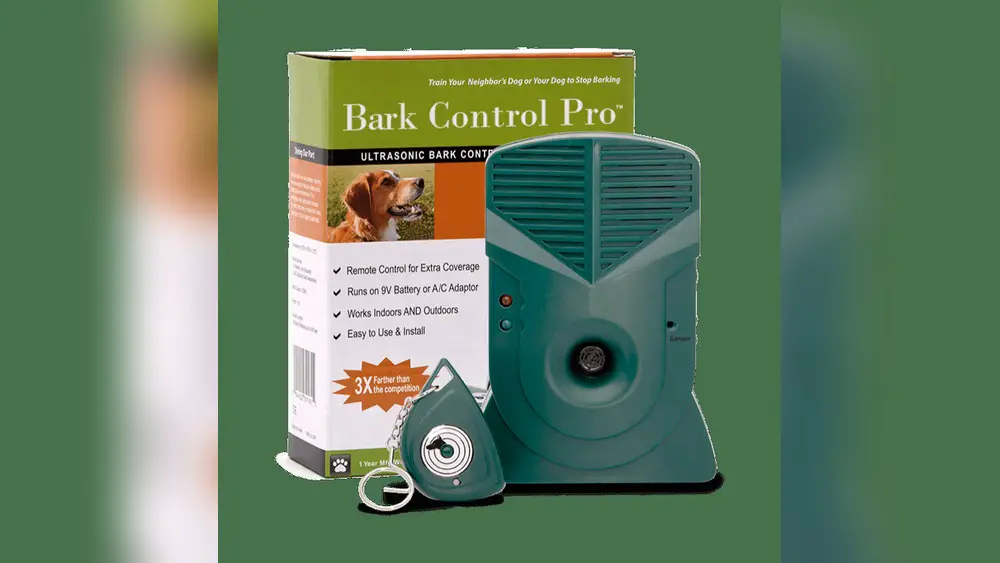
If your neighbor has complained about your dog’s barking, you’re not alone. Dogs bark—sometimes too much. This can cause tension with neighbors, sleep problems, and even legal trouble in some areas. Many pet owners struggle to balance their dog’s natural behavior with community peace.
The good news is, the right bark control device can solve this problem without harming your pet or making things worse. But choosing the best one isn’t always simple. There are many devices, from collars to indoor sensors to ultrasonic boxes.
Each works differently, and not every product suits every dog or home.
In this guide, you’ll learn how bark control devices work, what features matter most, and which options stand out. You’ll also get insights on using these tools responsibly and preventing common mistakes. Whether you want to stop barking during the day, at night, or when you’re not home, you’ll find answers here.
Let’s explore how to keep your dog happy—and your neighbors even happier.
Why Do Dogs Bark Excessively?
Before you buy any device, it helps to understand why dogs bark. Common reasons include:
- Boredom or lack of stimulation
- Anxiety or fear (from loud noises, strangers, or separation)
- Territorial behavior (defending home or family)
- Attention seeking
- Medical issues (pain, hearing loss, cognitive decline)
Some breeds, like Beagles and Terriers, are naturally more vocal. Puppies and young dogs may bark more as they learn boundaries. If your dog’s barking started suddenly, check with your vet first. Sometimes, a health problem is behind the noise.
How Bark Control Devices Work
Bark control devices use different methods to discourage barking:
- Ultrasonic sound: These devices emit a high-pitched sound only dogs can hear. It’s annoying but not harmful, so the dog learns to stop barking.
- Vibration: Some collars vibrate when the dog barks, distracting them.
- Spray: A quick spray of citronella or air surprises the dog, breaking the barking cycle.
- Static correction: Some collars give a mild electric pulse. These are controversial and should be used with caution.
- Sound or tone: Devices might beep or make a tone when barking starts.
Not every method works for every dog. Some ignore ultrasonic or vibration devices, while others respond quickly. It often depends on your dog’s size, breed, age, and personality.
Key Features To Look For
When choosing the best bark control device, consider these factors:
- Effectiveness: Does it actually stop barking? Check reviews and real user stories.
- Safety: The device must not harm your dog. Avoid anything that can cause pain, burns, or stress.
- Range: Will it work indoors, outdoors, or both? Some are for small rooms, others cover large yards.
- Adjustability: Can you change the sensitivity or correction level? This helps for dogs of different sizes and temperaments.
- False triggers: Good devices only activate when your dog barks, not when other dogs or noises are present.
- Battery life or power: Some need frequent charging or battery changes; others last months.
- Weather resistance: Outdoor devices should be waterproof and durable.
- Ease of use: Simple controls make life easier, especially for non-tech users.
- Size and comfort: Collars should fit well and not irritate your dog’s skin or neck.
Types Of Bark Control Devices
Let’s break down the main types available. Each has strengths and weaknesses.
1. Ultrasonic Bark Control Devices
These are popular because they’re silent to humans and can be used indoors or outdoors. When your dog barks, the device emits a sound only dogs hear. Most dogs find it unpleasant and stop barking.
Pros:
- No physical contact or correction
- Good for multiple dogs (if they bark together)
- Can be placed in the yard or home
Cons:
- Some dogs ignore ultrasonic sounds
- Doesn’t work well for deaf or senior dogs
- May affect other dogs in the area
2. Bark Control Collars
These collars detect barking with a microphone or vibration sensor and respond with a correction (ultrasonic, vibration, spray, or static).
Pros:
- Targets one dog (no effect on others)
- Portable—works wherever your dog goes
- Adjustable settings
Cons:
- Some dogs learn to bark around the collar
- Can cause stress if misused
- May need frequent charging or battery changes
3. Indoor Bark Deterrents
Placed in your home, these detect barking and emit a correction sound or spray.
Pros:
- No collar needed
- Good for multiple dogs
- Easy to move between rooms
Cons:
- Limited range (usually 10–25 feet)
- Can pick up other loud noises
4. Outdoor Bark Control Units
Designed for the yard, these devices cover a larger area and are built to survive rain and sun.
Pros:
- Ideal for backyard barkers
- Weatherproof
- Can work across fences
Cons:
- Can affect neighbor’s dogs
- Might trigger from other loud noises (cars, children)
5. Spray Bark Collars
These release a harmless spray (often citronella) under the dog’s chin when barking is detected.
Pros:
- No pain, just surprise
- Works well for sensitive breeds
Cons:
- Some dogs get used to the spray
- Refilling canisters adds cost
Top 7 Best Bark Control Devices For Neighbors Complaints
Based on effectiveness, safety, and real-world feedback, here are the standout options. Each is suited for different situations.
1. Petsafe Outdoor Ultrasonic Bark Control
This device looks like a birdhouse and hangs outside. When a dog barks, it emits an ultrasonic sound covering up to 50 feet.
- Best for: Outdoor use, yards, stopping barking at fences
- Range: 50 feet
- Power: 9V battery (lasts 2–3 months)
- Weatherproof: Yes
Why it works: Neighbors often complain about barking through fences or at night. This device stops most dogs without bothering humans. It’s also discreet.
Non-obvious insight: Positioning matters. Hang it at dog’s head level for best results. Placing it too high or behind obstacles reduces effectiveness.
2. Dogrook Rechargeable Bark Collar
A humane collar that uses vibration and beep sounds—no shock. It fits dogs 8–110 lbs and has 7 sensitivity levels.
- Best for: Single-dog homes, sensitive breeds, indoor/outdoor
- Battery: Rechargeable, lasts up to 14 days
- Correction: Vibration + sound
Why it works: It’s safe for most dogs and adjustable for big or small breeds. No static means less risk of fear or aggression.
Example: If your dog barks when left alone, this collar works even if you’re not home to supervise.
3. Modus Anti-barking Device
Handheld ultrasonic remote you point at the dog during barking. Works up to 16. 4 feet.
- Best for: Training sessions, walks, stopping barking on command
- Battery: 9V, long-lasting
- Correction: Ultrasonic sound
Why it works: Gives you control—press the button only when needed. Helps dogs learn faster.
Practical tip: Use treats after each quiet moment to reinforce good behavior.
4. Petsafe Indoor Ultrasonic Bark Control
Small device for homes, covers a 25-foot room. Activates when it hears barking.
- Best for: Apartments, shared walls, inside barking
- Range: 25 feet
- Power: 9V battery
Why it works: Great if your dog barks at the door or windows. Keeps peace with neighbors above, below, or beside you.
Beginner mistake: Placing it behind furniture. Open space works best.
5. Authen Bark Collar With Smart Sensor
This collar uses a combination of beep, vibration, and gentle static (with adjustable levels). It detects only your dog’s bark.
- Best for: Stubborn barkers, dogs that ignore sound-only collars
- Features: Smart chip prevents false triggers
- Battery: Rechargeable, lasts 10–12 days
Why it works: Only activates for your dog, not from other sounds. This avoids punishing the wrong pet.
Non-obvious insight: Start with vibration only before trying static. Many dogs respond to the mildest setting.
6. Zelers Mini Outdoor Bark Controller
Compact ultrasonic device for yards. Covers up to 50 feet and is waterproof.
- Best for: Small yards, travel, renters
- Size: Fits in a pocket
- Range: 50 feet
Why it works: Easy to move and hide, so neighbors don’t see a big device. Works well for renters who can’t install permanent units.
Example: Attach to a tree or fence where your dog spends time.
7. Petsafe Spray Bark Collar
This collar releases a quick spray of citronella under the dog’s nose when barking is detected.
- Best for: Dogs that ignore sound or vibration, multi-dog homes
- Refill: Each canister lasts about 30–40 sprays
- Safety: No pain, just mild surprise
Why it works: Some dogs find the smell unpleasant and stop barking quickly. Works even if you’re not home.
Practical tip: Always keep extra spray canisters handy to avoid running out.
Comparison Of Bark Control Devices
Choosing the right device can be confusing. Here’s a side-by-side look at the key differences among the top options:
| Device | Correction Method | Range | Best For | Power Source |
|---|---|---|---|---|
| PetSafe Outdoor Ultrasonic | Ultrasonic Sound | 50 ft | Outdoor yards | 9V Battery |
| DogRook Bark Collar | Vibration + Sound | On-dog | Single dogs, indoors/outdoors | Rechargeable |
| MODUS Handheld | Ultrasonic | 16.4 ft | Training, walks | 9V Battery |
| PetSafe Indoor Ultrasonic | Ultrasonic Sound | 25 ft | Indoor, apartments | 9V Battery |
| Authen Bark Collar | Beep, Vibration, Static | On-dog | Stubborn barkers | Rechargeable |
| Zelers Mini Outdoor | Ultrasonic Sound | 50 ft | Small yards, travel | Battery |
| PetSafe Spray Collar | Citronella Spray | On-dog | Sound/vibration-resistant dogs | Refillable |

Credit: www.amazon.com
How To Use Bark Control Devices Safely
No device is a “magic fix.” You still need to use it wisely. Here’s what responsible owners do:
- Read instructions: Set up the device as directed. Test it before leaving your dog alone.
- Monitor your dog: Watch how they respond. Remove the device if your dog seems scared, stressed, or aggressive.
- Start on the lowest setting: Increase only if your dog ignores the correction.
- Give breaks: Don’t leave collars on all day and night. Remove for at least 8 hours daily.
- Combine with training: Reward quiet behavior with treats, praise, or playtime.
- Check for irritation: For collars, inspect your dog’s neck daily for redness or sores.
- Talk to neighbors: Let them know you’re working on the barking. This can ease tension and show you care.
Common Mistakes And How To Avoid Them
Many people try bark control devices but give up because they don’t see results. Often, the problem is not the device—but how it’s used.
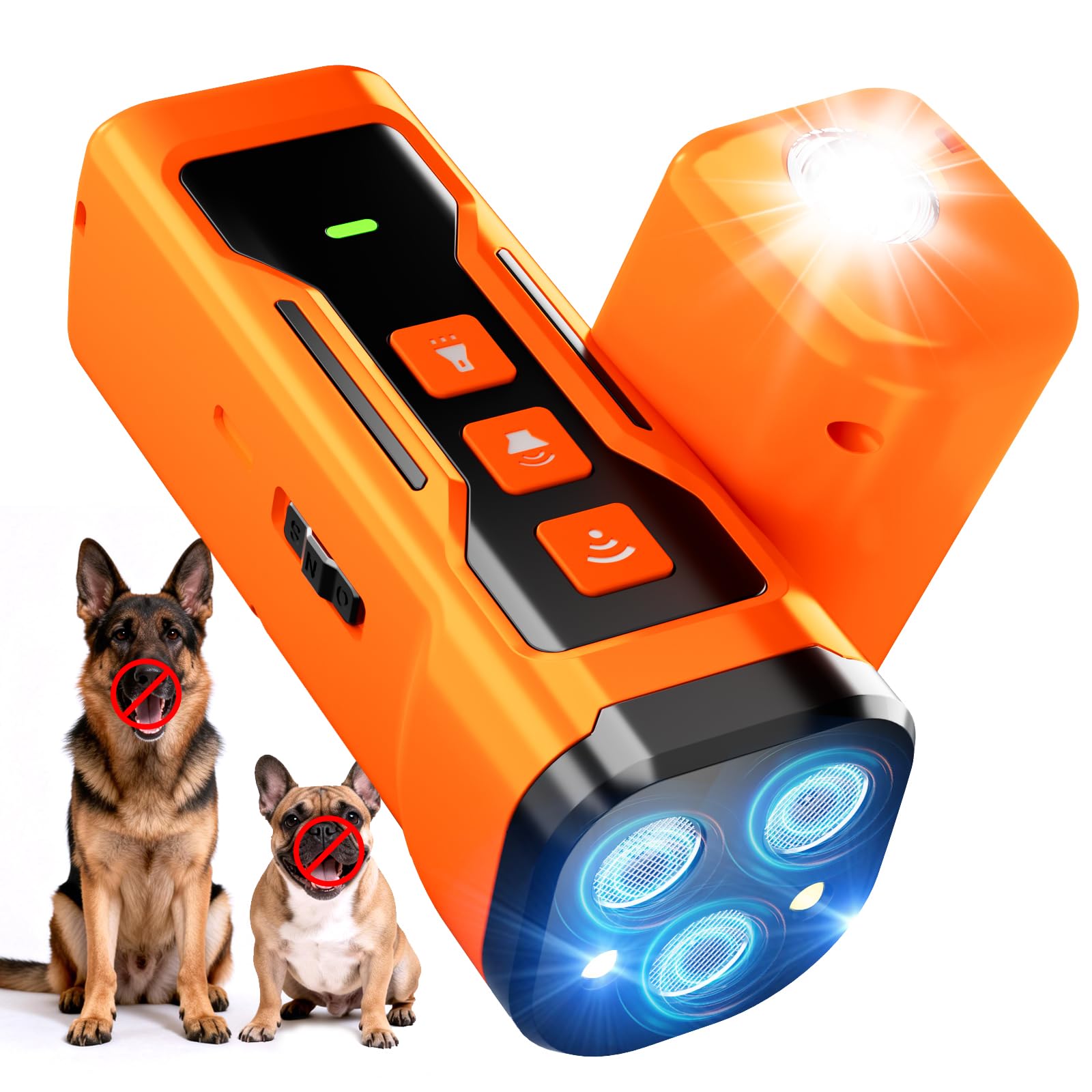
- Wrong placement: Ultrasonic devices need clear line of sight. Don’t put them behind trees, walls, or glass.
- Using the wrong device for your dog: A stubborn large breed may need a different correction than a timid small dog.
- Expecting instant results: Some dogs need a few days or weeks to change habits.
- Ignoring the cause: Devices help, but if your dog is bored, lonely, or anxious, barking may return. Add walks, toys, or puzzle feeders.
- Not checking batteries: Devices with dead batteries do nothing. Set reminders to check and replace or recharge.
Credit: www.amazon.com
Real-world Examples
Consider these scenarios:
- Apartment living: Sarah’s Chihuahua barked at every sound in the hallway. The PetSafe Indoor Ultrasonic stopped 90% of barks in two days. Sarah also played music to mask outside noises.
- Backyard barker: Mike’s Labrador barked at passing cars. The Zelers Mini Outdoor device reduced barking by half in the first week. He also moved the device closer to the fence.
- Multiple dogs: A family with three dogs found that the PetSafe Spray Collar worked best for the loudest dog, while the others responded to vibration collars.
How To Talk To Your Neighbors About Barking
Even with the best device, communication helps. Here are respectful steps:
- Acknowledge the issue: Let them know you’re aware and want to solve it.
- Explain your plan: Share that you’re using a bark control device and training.
- Ask for feedback: Give them your number or email. Ask if they notice improvement.
- Be patient and proactive: Some neighbors need time to see change.
Alternatives And Supplements To Bark Control Devices
Sometimes, other solutions help alongside or instead of a device:
- Exercise: Tired dogs bark less. Add an extra walk or play session.
- Mental stimulation: Puzzle toys, scent games, and training keep dogs busy.
- White noise machines: Mask outside sounds that trigger barking.
- Curtains or window film: Block your dog’s view of triggers like people or cars.
- Professional help: If barking continues, a certified dog trainer or behaviorist can help.
Data: Barking And Neighborhood Complaints
Understanding the scope of the problem can add perspective. The following data shows how common barking complaints are:
| Country | % Households with Dogs | % Neighbors Reporting Barking as a Problem | Most Common Time for Complaints |
|---|---|---|---|
| USA | 38% | 15% | Evenings |
| UK | 26% | 10% | Late Night |
| Australia | 40% | 18% | Afternoons |
Non-obvious insight: Barking complaints often rise in summer when windows are open. Consider using devices more during these months.

Credit: ultimatebarkcontrol.com
Pros And Cons Of Bark Control Devices
To help you decide, here’s a quick overview:
| Device Type | Pros | Cons |
|---|---|---|
| Ultrasonic | Silent to humans, covers area, non-contact | Some dogs ignore, not for deaf/senior dogs |
| Vibration/Beep Collar | Adjustable, no pain, portable | Collar must fit well, some dogs adapt |
| Spray Collar | No pain, works for many dogs | Needs refills, can be messy |
| Static Collar | Strong effect for stubborn dogs | Controversial, risk of stress if misused |
Legal And Ethical Considerations
In some places, repeated barking can lead to fines, animal control visits, or even lawsuits. It’s your responsibility to control your dog’s noise. However, local laws may also restrict which devices you can use. For example, some areas ban static shock collars.
Tip: Check your city’s animal noise ordinances before buying. Look for humane options and focus on positive training first.
For more about animal welfare standards, you can visit the ASPCA’s resource on barking.
Frequently Asked Questions
What Is The Safest Bark Control Device For My Dog?
The safest devices are usually ultrasonic units and vibration collars. They do not cause pain and are less likely to create fear or aggression. Always start with the gentlest correction and monitor your dog closely.
How Long Does It Take For A Bark Control Device To Work?
Most dogs show some improvement within a few days to two weeks. Consistency is key—combine the device with training and rewards for quiet behavior.
Will A Bark Control Device Work On All Breeds?
No device works for every dog. Some breeds (like Huskies or Terriers) are more stubborn or vocal. Senior dogs or those with hearing loss may not respond to ultrasonic sounds.
Can Bark Control Devices Bother Other Pets Or Neighbors?
Ultrasonic devices can sometimes affect other dogs in the area. However, humans and most other pets (like cats) cannot hear the sound. If you have multiple dogs, consider a collar that targets only the barker.
What If My Neighbor’s Dog Barks All The Time?
You cannot legally use a device on someone else’s property without permission. Try talking to your neighbor first. Share tips, or suggest humane devices. If the problem continues, contact animal control or your local council.
Final Thoughts
Choosing the best bark control device for neighbors complaints is about more than buying a gadget. It’s about understanding your dog, communicating with your neighbors, and using humane, effective tools. The right device, used wisely, can restore peace to your home and your street. Remember: patience, consistency, and kindness are as important as any technology. With the tips above, you’ll be well on your way to a quieter, happier neighborhood.