
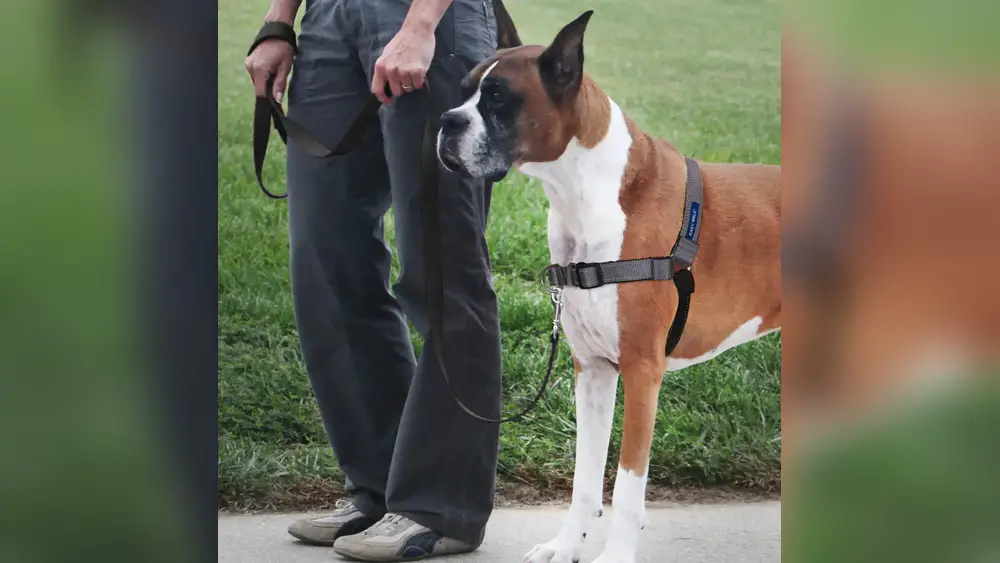
Many people love big dogs for their loyalty, strength, and energy. But walking a large dog that pulls on the leash can be stressful and even dangerous. Finding the best no pull dog harness for big dogs is more than just a comfort issue—it’s about safety for both you and your dog. With so many options available, it’s easy to feel lost. This guide explores what really matters when choosing a no pull harness for your big dog, reviews the top harnesses, and gives you practical advice for a peaceful walk.
Why Big Dogs Need A Special Harness
Big dogs are powerful. Even a friendly pull can strain your arm or back. Regular collars or flimsy harnesses can cause choking or injury, especially if your dog lunges suddenly. A no pull harness is designed to spread pressure across the chest and shoulders, not the neck. This means more control for you, less risk for your dog, and a better walking experience overall.
Unlike small dogs, big breeds like Labradors, German Shepherds, and Pit Bulls often have strong prey drives and lots of energy. They need harnesses that are tough, secure, and comfortable enough for daily use. A harness that works for a Chihuahua simply won’t stand up to a 90-pound Rottweiler. Choosing the right gear is essential for training, safety, and enjoying your time together.
Key Features To Look For
Not all harnesses are created equal. Here’s what really matters when you’re shopping for a no pull harness for your big dog:
- Strength and Durability: Big dogs can break cheap hardware or weak stitching. Look for heavy-duty buckles, strong D-rings, and reinforced webbing.
- Front-Clip Design: A front leash attachment on the chest helps redirect your dog’s movement, discouraging pulling.
- Comfort: Padding and adjustable straps prevent rubbing and let you fit the harness snugly.
- Easy to Put On: Wrestling a big dog into a complicated harness is no fun. Step-in or over-the-head designs are best.
- Control Handles: A sturdy handle on the back gives extra control in emergencies.
- Fit and Sizing: Measure your dog’s chest and neck carefully. A poor fit can make any harness useless—or unsafe.
Many owners miss the importance of stitch quality and hardware type. Nylon is common, but high-grade polyester and metal buckles often last longer. Some harnesses use plastic buckles, which can break under pressure. For strong pullers, always choose metal.
Top 10 Best No Pull Dog Harnesses For Big Dogs
Here are the top picks trusted by trainers, veterinarians, and thousands of owners. Each harness is described with its strengths, weaknesses, and best use cases.
1. Ruffwear Front Range Harness
The Ruffwear Front Range Harness is a favorite among active dog owners. Its strength, comfort, and versatility make it great for daily walks or rugged hikes. The foam-padded chest and belly panels prevent chafing, even on long outings. Two leash points (front and back) give you options for both training and casual walking. The reflective trim helps with visibility at night. It’s easy to adjust, and the strong aluminum V-ring can withstand heavy pulling. The only downside is price—it’s more expensive, but it lasts for years.
2. Petsafe Easy Walk Harness
This harness is well-known for its front-clip design. The leash attaches at the chest, turning your dog toward you if they try to pull. It’s lightweight and simple to put on. The straps are color-coded, making it easy for beginners. However, the thinner straps are less padded, so it’s best for training or short walks rather than all-day wear. If your dog is a strong chewer, keep an eye on them, as the nylon isn’t chew-proof.
3. Kurgo Tru-fit Smart Harness
The Kurgo Tru-Fit offers both safety and comfort. With five adjustment points, you can get a custom fit—even for barrel-chested breeds. The harness is crash-tested for car safety and includes a seat belt tether. The chest pad distributes pressure well, reducing risk of injury. The hardware is steel, not plastic. It’s heavier than some harnesses, but that’s the price of durability. Owners of escape artists appreciate the secure fit.
4. Julius-k9 Idc Powerharness
Originally designed for working dogs, the Julius-K9 is famous for its sturdy build. The wide chest strap and heavy-duty buckle handle powerful breeds easily. The side handle gives you control when you need it most, and the harness is easy to put on. The outer layer is water-resistant, making it ideal for all weather. Some users find it bulky, but for large, muscular dogs, it’s a top choice.
5. 2 Hounds Design Freedom No Pull Harness
This harness uses a unique dual-clip system: one on the chest, one on the back. The included training leash lets you steer with both points for extra control. Velvet lining on the straps prevents rubbing, and heavy-duty hardware is built for big dogs. The harness is escape-resistant if fitted correctly. It can take a few tries to learn how to fit it, but the results are worth it.
6. Chai’s Choice 3m Reflective Dog Harness
The Chai’s Choice harness stands out for visibility and style. Reflective material lines the harness, making nighttime walks safer. The ergonomic design fits most deep-chested breeds, and the handle on top helps with control. The chest padding is generous, which adds comfort. This harness runs a bit small, so check sizing carefully.
7. Blue-9 Balance Harness
The Blue-9 Balance Harness is loved by trainers for its adjustability. Every strap is customizable, making it possible to fit odd-shaped or extra-large dogs. The front ring helps manage pulling, and there’s minimal material under the armpits, reducing chafing. There’s no handle, which may be a downside for some, but the fit and control are excellent.
8. Embark Adventure Dog Harness
If you hike or run with your dog, consider the Embark Adventure Harness. It’s lightweight but strong, with weatherproof material and four adjustment points. The chest and back leash rings offer flexibility. The harness slips over the head and fastens with quick-release buckles. The top handle is reinforced. Some owners say it fits deep-chested breeds best.
9. Rabbitgoo No Pull Dog Harness
The Rabbitgoo No Pull harness is a popular choice for the price-conscious. It’s easy to put on, with two leash attachment points and a sturdy handle. The padding is good, and the harness is made from breathable mesh. While not as durable as premium options, it’s a good starter harness for big dogs learning leash manners. The bright colors add visibility.
10. Poypet No Pull Dog Harness
The PoyPet harness is soft, highly adjustable, and quick to put on. The three-snap buckle system means you don’t have to lift your dog’s legs. The harness features both front and back D-rings. Reflective stitching improves safety in low light. It’s not as rugged as some, but comfortable for everyday use.
Comparing The Top Harnesses
Understanding how these harnesses compare on key features helps you choose wisely. Here’s a look at the most important criteria: strength, comfort, and control.
| Harness | Strength | Comfort | Control |
|---|---|---|---|
| Ruffwear Front Range | Excellent | High | Very Good |
| PetSafe Easy Walk | Good | Medium | Excellent |
| Kurgo Tru-Fit | Excellent | High | Very Good |
| Julius-K9 IDC | Excellent | Medium | Excellent |
| 2 Hounds Freedom | High | High | Very Good |
| Chai’s Choice | High | High | Good |
| Blue-9 Balance | High | High | Excellent |
| Embark Adventure | High | High | Very Good |
| Rabbitgoo No Pull | Medium | High | Good |
| PoyPet No Pull | Medium | High | Good |
:strip_icc()/sps-dog-harnesses-test-ruffwear-front-range-amazon-front-attachment-good-hiking-hang-pham-02-c28708e42f09460bac97ae9285d6c504.jpg)
Credit: www.thesprucepets.com
How To Measure Your Dog For The Perfect Fit
Getting the right harness size is not just about weight. Big dogs come in all shapes—some have broad chests, others are lean and tall. Here’s how to get the best fit:
- Measure the chest: Use a soft tape to measure the widest part of the chest, just behind the front legs.
- Measure the neck: Some harnesses require a neck measurement. Measure where a collar sits.
- Check the weight range: Harnesses often have suggested weight guidelines, but measurements are more accurate.
A harness that’s too tight can cause rubbing or restrict movement, while one that’s too loose can slip off. When trying on, make sure you can fit two fingers under any strap. Adjust all points for a snug, but not tight, fit.
If your dog is between sizes, choose the larger one and adjust down.
Training Tips For No Pull Harness Success
A harness can help, but it won’t solve pulling by itself. Training is key. Here’s how to get the most out of your no pull harness:
- Reward good behavior: Treats and praise when your dog walks without pulling reinforce the habit.
- Stop and stand still: If your dog pulls, stop moving. Wait until they relax, then continue.
- Change direction: If your dog lunges, gently turn and walk the other way. The harness will help guide them.
- Use both hands: Hold the leash close to the harness for more control.
- Short training sessions: Practice for 10-15 minutes, then take a break.
Most owners miss that consistency is more important than strength. The harness is a tool, not a solution by itself. Regular practice, patience, and rewards will help your dog learn faster.
Common Mistakes To Avoid
Even the best harness can fail if used incorrectly. Here are mistakes to watch for:
- Loose Straps: Always adjust straps before each walk. Dogs can wriggle out of loose harnesses.
- Wrong Size: Don’t guess your dog’s size. Measure carefully.
- Ignoring Chewing: Some dogs chew harnesses when unsupervised. Remove the harness at home.
- Incorrect Leash Attachment: For no pull training, always use the front clip.
- No Supervision: Never leave a harness on a dog in a crate or when unsupervised.
A less obvious mistake: not checking for wear and tear. Even strong harnesses can fray or break over time. Regularly inspect buckles, stitching, and rings.
Cost Vs Value: What Should You Pay?
Prices for top harnesses vary from $20 to $70 or more. Expensive doesn’t always mean better, but for big dogs, cutting costs can backfire. Cheap harnesses may last a few weeks, while premium models can last years.
Here’s a quick look at price ranges and what to expect:
| Price Range | What You Get | Best For |
|---|---|---|
| $20–$30 | Basic materials, less padding, plastic hardware | Training, light use |
| $30–$50 | Padded, adjustable, mixed hardware | Daily walks, most big dogs |
| $50–$70+ | Premium materials, metal buckles, special features | Active, strong, escape-prone dogs |
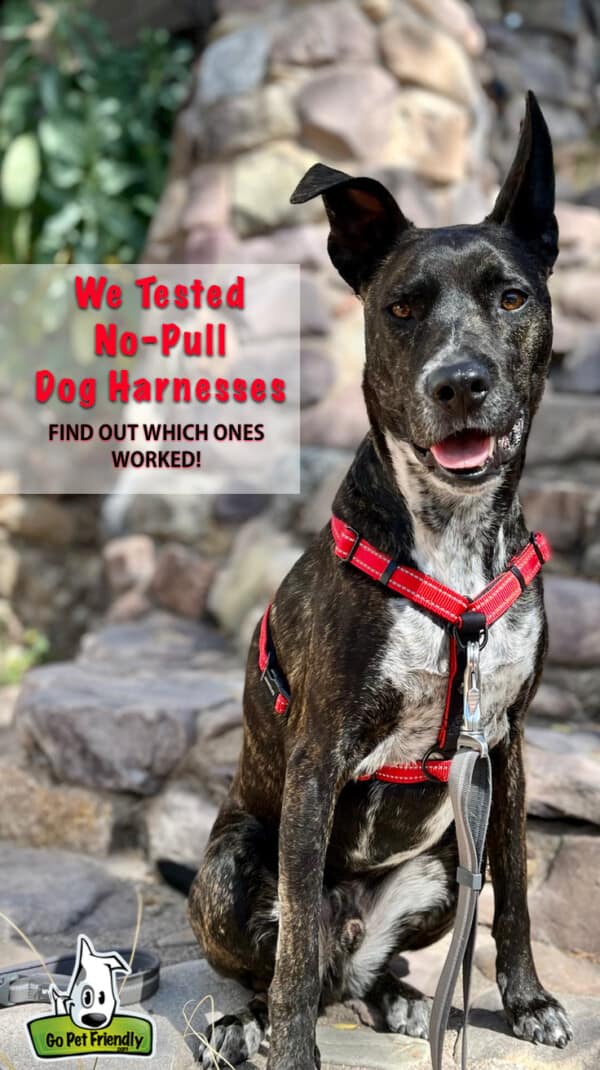
For most big dogs, a mid-range harness offers the best value. Only choose premium if your dog is a heavy puller, escape artist, or you walk in tough conditions.
Credit: comisub.com
Real-world Owner Reviews
Many owners say that switching to a no pull harness was life-changing. For example, a Labrador owner in Boston shared, “My dog used to drag me down the street. With the Ruffwear harness, he walks calmly. It’s the first time in years I’ve enjoyed our walks.
”
Another owner of a German Shepherd said, “The Julius-K9 is the only harness my dog can’t slip out of. The handle is perfect for crowded parks. ”
Some owners do report that their dog needed time to adjust. Most harnesses work best with short training sessions and patience. Remember, no harness is indestructible. Regular checks and proper fitting are necessary for safety.
When To Replace Your Dog’s Harness
A harness won’t last forever. Here are signs it’s time for a new one:
- Fraying or Torn Straps: Even small tears can fail under pressure.
- Broken Buckles or Rings: Switch immediately if any hardware breaks.
- Stretched Out of Shape: If the harness doesn’t fit snugly anymore, replace it.
- Stiff or Smelly Padding: Old padding can hold bacteria or cause discomfort.
Most harnesses last 1–3 years with daily use. Check them every few weeks, especially after hikes or rough play.
Harness Vs. Collar: What’s Safer For Big Dogs?
For large, strong breeds, a harness is almost always safer than a collar. Collars can put dangerous pressure on the throat and neck if your dog pulls. This can cause coughing, trachea injury, or even nerve damage. A no pull harness spreads force across the chest, reducing injury risk and giving you more control.
Some owners use both—a collar for ID tags, a harness for walking. Trainers recommend this for safety. Never attach a leash to a collar and a harness at the same time, as this can confuse or hurt your dog.
Making Walks Enjoyable Again
With the right harness, walking a big dog becomes a pleasure, not a chore. The best no pull dog harness for big dogs gives both control and comfort. It also helps build a trusting relationship between you and your dog.
Remember, the harness is just one part of the solution. Consistent training, patience, and regular checks are just as important.
If you want to learn more about dog training techniques, visit the ASPCA Dog Training Tips page for more guidance.

Credit: comisub.com
Frequently Asked Questions
What Size Harness Does My Big Dog Need?
Always measure your dog’s chest and neck before buying a harness. Use a soft tape and follow the manufacturer’s chart. Each brand is different, so check the sizing guide every time, even if you’ve bought harnesses before.
Can A Harness Stop My Dog From Pulling Completely?
A no pull harness can help reduce pulling, but training is also needed. Use treats, praise, and consistent walking routines for best results. The harness is a tool, not a magic solution.
Are No Pull Harnesses Safe For Strong Dogs?
Yes, if you choose a high-quality harness with strong hardware and proper fit. Avoid harnesses with thin straps or plastic buckles for very strong breeds. Regularly inspect the harness for wear.
Should My Dog Wear A Harness All Day?
No. Harnesses are for walks and training. Leaving a harness on all day can cause rubbing or discomfort, especially when your dog is unsupervised.
How Do I Know If The Harness Fits Correctly?
A good fit allows you to slip two fingers under any strap. The harness should not slide around or pinch. Watch your dog for signs of discomfort, like scratching or chewing at the harness, and adjust as needed.
Choosing the best no pull dog harness for big dogs is an investment in your dog’s safety and your peace of mind. With the right harness, every walk can be enjoyable again—for both of you.