
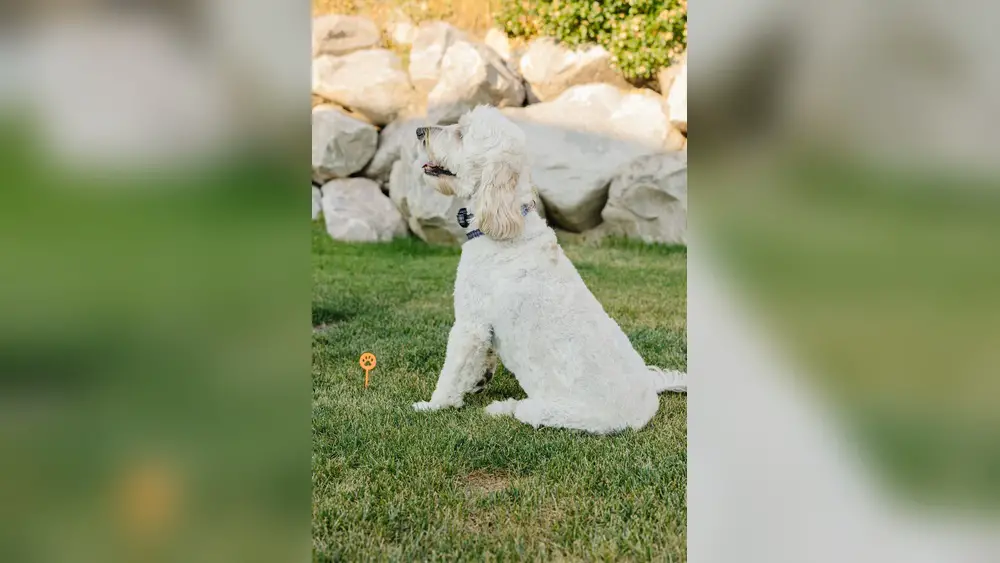
Many dog owners face a real challenge when their pet ignores commands, pulls on the leash, or shows no interest in learning new tricks. These are often called stubborn dogs, but in truth, they are usually just strong-willed or easily distracted. The good news? The right training tools can make a huge difference. With the best dog training tools for stubborn dogs, you can build better habits, improve obedience, and reduce frustration for both you and your furry friend.
This guide is for anyone who feels their dog is “untrainable,” or who has tried typical methods and seen little progress. You’ll learn about the most effective tools, how they work, and how to use them wisely. We’ll cover collars, harnesses, clickers, treat pouches, and even newer tech devices.
You’ll also get practical advice on what really matters when choosing tools for stubborn dogs, tips to avoid common mistakes, and insights that most beginners miss.
If you want to enjoy walks without pulling, have your dog come when called, and finally get the attention you deserve, this guide is for you.
Understanding Stubborn Dogs: Why Training Tools Matter
Some dogs seem to ignore their owners no matter how many treats or praise they get. This can be due to their breed, age, past experiences, or simply their personality. Breeds like Beagles, Huskies, and Bulldogs are often labeled as stubborn, but all dogs can be trained with patience and the right approach.
Training tools are not about punishment or forcing your dog into submission. Instead, they are designed to:
- Improve communication between you and your dog
- Encourage good behavior in a clear way
- Reduce distractions so your dog can focus
- Make training sessions safer and more enjoyable
Choosing the right tool can help you work with your dog’s instincts instead of against them.
Key Features To Look For In Dog Training Tools
When shopping for tools for stubborn dogs, focus on these important factors:
- Safety: No tool should hurt or frighten your dog. Look for gentle, humane options.
- Ease of use: Complicated gadgets can slow down training and frustrate both you and your dog.
- Adjustability: Dogs come in many shapes and sizes. Adjustable tools fit better and work more effectively.
- Durability: Stubborn dogs often test the limits of equipment, so strong materials are a must.
- Feedback: Tools that provide instant feedback (like clickers or vibration collars) help dogs learn faster.
- Suitability for your dog’s needs: Age, breed, and temperament all play a role in which tools will work best.
Many new owners overlook the importance of fit and comfort. A poorly fitting collar, for example, can cause more problems than it solves. Always measure your dog carefully and follow the manufacturer’s guidelines.
Credit: theonlinedogtrainer.com
Best Dog Training Tools For Stubborn Dogs
Let’s look at the most effective training tools, their pros and cons, and how each one can help with stubborn behavior.
1. No-pull Harnesses
A no-pull harness is designed to prevent dogs from pulling on the leash. Unlike regular collars, these harnesses put gentle pressure on the chest or under the front legs when your dog tries to surge ahead. This causes them to naturally slow down or turn toward you.
Benefits:
- Reduces pulling without choking
- Gives you more control during walks
- Great for strong, energetic dogs
Example: The PetSafe Easy Walk Harness is popular because it’s easy to put on and fits well. It’s especially good for breeds like Labradors, Boxers, and Huskies.
Tip: Make sure the harness is snug but not too tight. Check for chafing after walks.
2. Head Collars
Head collars (like the Gentle Leader or Halti) fit around your dog’s nose and behind the ears. When your dog pulls, the head collar gently turns their head towards you, making it hard for them to drag you down the street.
Benefits:
- Excellent control for large, strong dogs
- Helpful for dogs that lunge or jump
Drawbacks: Some dogs resist at first, so introduce it slowly with treats and patience.
Insight: Many owners give up too soon with head collars. It often takes a week or two for a dog to adjust.
3. Training Collars (martingale Collars)
A martingale collar is a special type of collar that tightens slightly when your dog pulls, but not enough to choke. It’s safer than a choke chain and provides gentle correction.
Benefits:
- Prevents slipping out of the collar (great for Greyhounds and other narrow-headed breeds)
- Offers control without harsh correction
Mistake to avoid: Never leave a martingale collar on an unattended dog, as it can get caught and cause injury.
4. Clickers
A clicker is a small device that makes a sharp “click” sound when pressed. It’s used for positive reinforcement—the click tells your dog the exact moment they did something right, followed by a treat.
Benefits:
- Clear, consistent feedback
- Speeds up learning for commands and tricks
How to use: Start by clicking and giving a treat, so your dog learns the click means “good job.” Then use it to mark correct behavior.
Advanced Tip: Clickers are powerful for shaping complex behaviors, not just basic commands.
5. Treat Pouches
A treat pouch lets you carry rewards easily during training. Quick access to treats means you can reward good behavior instantly, which is key for stubborn dogs.
Benefits:
- Keeps treats handy and hands free
- Helps maintain focus during training
Extra value: Some pouches have separate pockets for poop bags or small toys.
6. Long Training Leashes
Long lines or training leashes (15 to 50 feet) give your dog freedom to explore while you still have control. They’re ideal for teaching recall (come when called) and off-leash skills in a safe way.
Benefits:
- Safer than letting your dog off-leash too soon
- Builds trust over distance
Key advice: Use in open, safe areas. Never use a long leash near traffic.
7. Vibration Collars
A vibration collar gives a gentle buzz (not a shock) to get your dog’s attention. This tool is useful for dogs who ignore verbal commands or are easily distracted.
Benefits:
- Humane and painless
- Useful for deaf dogs
Limitation: Not a punishment tool—use the vibration as a cue to “look at me,” then reward.
Overlooked tip: Start with the lowest setting and watch your dog’s reaction. Increase only if necessary.
8. Training Whistles
Dog whistles produce a high-pitched sound that gets your dog’s attention, even at a distance. They’re often used for recall or to stop unwanted behavior.
Benefits:
- Consistent sound that cuts through background noise
- Great for outdoor training
Caution: Use the same whistle sound for each command, or your dog may get confused.
9. Interactive Toys
Puzzle toys and treat-dispensing balls can keep a stubborn dog mentally busy. Mental stimulation is just as important as physical exercise, and bored dogs are more likely to misbehave.
Benefits:
- Prevents boredom-related problems (chewing, barking, digging)
- Builds problem-solving skills
Pro tip: Rotate toys so your dog doesn’t lose interest.
10. Target Sticks
A target stick is a wand with a ball on the end. You teach your dog to touch the ball with their nose, and then use it to guide them into positions or through agility courses.
Benefits:
- Helps with teaching complex tricks
- Provides a visual focus
Insight: Great for dogs who are not motivated by treats alone.
11. Spray Deterrents
Spray deterrents (like citronella spray) can interrupt unwanted behaviors such as barking or jumping. These sprays are not harmful but are unpleasant enough to stop the behavior.
Benefits:
- Safer than shock collars
- Works for many types of unwanted behavior
Warning: Should only be used as a last resort, and never as a main training method.
12. Training Platforms (place Boards)
A place board is a small raised platform where you teach your dog to “go to your place” and stay until released. This tool helps with impulse control and focus.
Benefits:
- Teaches calm behavior in busy environments
- Useful for door greetings and preventing jumping
Practical tip: Use a non-slip surface for safety.
13. Remote Training Collars (e-collars)
Modern e-collars have a range of settings, including tone, vibration, and sometimes a static (mild shock) feature. Used correctly, they can help with recall and serious behavior issues.
Benefits:
- Long-distance control
- Many have safety features and adjustable levels
Serious warning: E-collars should be a last resort and only under guidance from a professional trainer. They are not for punishment, but for attention-getting.
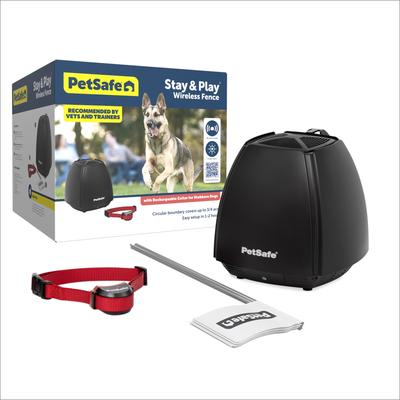
14. Boundary Flags
Boundary flags are used when training dogs to respect invisible fences or property lines. The flags give a visual marker while your dog learns where they are allowed to go.
Benefits:
- Visual aid for boundary training
- Reduces confusion during fence training
Extra value: Remove flags gradually as your dog learns the boundaries.
15. Training Muzzles
A basket muzzle allows a dog to breathe and drink but prevents biting or picking up dangerous objects during training. Sometimes, muzzles are needed for safety with reactive or aggressive dogs.
Benefits:
- Prevents nipping during stressful situations
- Allows safe socialization
Important: Only use a muzzle for short periods and pair it with positive experiences.
16. Treat-dispensing Cameras
New tech like treat-dispensing cameras (such as Furbo or Petcube) allow you to watch and reward your dog remotely. This is especially useful for stubborn dogs with separation anxiety or those who act out when alone.
Benefits:
- Monitor and reward good behavior in real time
- Useful for reducing destructive behavior
Unique insight: These devices let you reinforce training even when you’re not home, which most owners overlook.
17. Dog Training Apps
Smartphone training apps now offer step-by-step guides, video demonstrations, and progress tracking. Some even sync with smart collars.
Benefits:
- On-demand advice and reminders
- Keeps you consistent and motivated
Best for: Owners who want structure but can’t attend in-person classes.
18. Reflective Training Gear
Reflective collars, harnesses, and leashes keep you and your dog visible during early morning or evening walks. Safety is often forgotten when training stubborn dogs who may pull toward traffic or get loose.
Benefits:
- Increases visibility in low light
- Essential for outdoor training
Tip: Check that reflective strips are sewn in, not just printed on, for longer durability.
19. Slip Leads
A slip lead is a leash and collar in one, often used in professional training. It tightens with pressure but releases instantly when the dog stops pulling.
Benefits:
- Quick to put on and remove
- Good for short-term, supervised training
Warning: Not for unsupervised use or dogs with sensitive necks.
20. Gentle Leaders For Small Dogs
Many tools are designed for medium or large breeds, but small dogs can be just as stubborn. Gentle Leaders or similar head harnesses come in small sizes and give owners more control without risking neck injury.
Benefits:
- Reduces pulling for small breeds
- Less risk than choke or prong collars
Advice: Always introduce slowly and with treats to prevent fear.
How These Tools Compare
Choosing the right tool can feel overwhelming. Here’s a comparison of some popular options by their main use and level of control:
| Tool | Main Use | Best for | Level of Control | Suitable for Beginners? |
|---|---|---|---|---|
| No-Pull Harness | Walking | Pullers | High | Yes |
| Head Collar | Walking | Strong, Large Dogs | Very High | Yes (with patience) |
| Clicker | Obedience Training | All dogs | Moderate | Yes |
| Vibration Collar | Attention Getting | Distracted/Deaf Dogs | Moderate | Yes |
| Remote E-Collar | Recall/Behavior Correction | Severe Cases | Very High | No (needs guidance) |

Credit: www.walmart.com
Training Tools: What Most Beginners Miss
Many owners focus only on the tool itself, not how they use it. Here are two big insights:
- Timing is everything. Whether you use a clicker or treat pouch, the reward must come instantly after the correct behavior. A delay, even of two seconds, can confuse your dog.
- Consistency beats intensity. Using a tool for five minutes every day is better than a one-hour session once a week. Dogs, especially stubborn ones, need routine and clear rules.
Another common mistake is switching tools too quickly. Give your dog time to adjust, and stick with each tool for at least two weeks before deciding if it works.
How To Choose The Right Tool For Your Dog
Every dog is unique. Here’s a quick guide to help you match tools to your dog’s needs:
| Dog Type | Suggested Tools | Why |
|---|---|---|
| Pulls on Leash | No-Pull Harness, Head Collar | Reduces pulling without pain |
| Ignores Commands | Clicker, Vibration Collar | Instant feedback, gets attention |
| Bored/Easily Distracted | Puzzle Toys, Training Whistle | Mental stimulation, clear signals |
| Reactive/Aggressive | Muzzle, Martingale Collar | Safety, gentle correction |
| Small Breeds | Gentle Leader, Reflective Gear | Control, visibility |
Practical Tips For Using Training Tools Effectively
- Start slow: Introduce new equipment gradually. Let your dog sniff and explore before putting it on.
- Pair with rewards: Always combine tools with treats or praise for best results.
- Keep sessions short: Most dogs do best with 5-15 minute training sessions, several times a day.
- Watch for stress signs: If your dog seems fearful, take a break and try again later.
- Stay patient: Stubborn dogs often need more time. Progress may be slow, but consistency wins.
Common Mistakes To Avoid
- Using a tool as punishment instead of guidance
- Expecting instant results after buying new equipment
- Ignoring the importance of fit and comfort
- Not reading the instructions for each tool
- Giving up before your dog has a chance to adjust
When To Consult A Professional
Sometimes, stubborn behavior signals deeper issues like anxiety or past trauma. If your dog shows aggression, extreme fear, or does not respond after weeks of effort, consider working with a certified trainer. They can suggest the best tools for your situation and demonstrate their use in person.
For more information on humane dog training, visit the ASPCA Dog Training Guide.
Frequently Asked Questions
What Is The Most Effective Dog Training Tool For Stubborn Dogs?
The most effective tool often depends on your dog’s behavior and personality. For leash pulling, a no-pull harness or head collar works well. For ignoring commands, a clicker combined with high-value treats is usually best. There is no “one-size-fits-all,” but humane, positive tools produce the best long-term results.
Are Shock Collars Safe For Stubborn Dogs?
Shock collars, or e-collars, can be dangerous if used incorrectly. They should only be used as a last resort and under the guidance of a professional trainer. In most cases, positive reinforcement tools (like clickers, treats, and harnesses) are safer and more effective.
Can I Use Multiple Training Tools At The Same Time?
Yes, many trainers combine tools. For example, you might use a clicker and treat pouch during obedience training, or a no-pull harness with a reflective leash for safe walks. Just ensure your dog is comfortable and not overwhelmed.
How Long Does It Take To See Results With Training Tools?
Most owners see improvement within 2–4 weeks of consistent, daily practice. However, very stubborn dogs or those with past trauma may take longer. Patience and consistency are key.
What If My Dog Is Not Motivated By Treats?
Some dogs are less food-motivated. Try different rewards: praise, play, toys, or even a favorite activity. Interactive toys and clicker training can also help engage dogs who ignore treats.
Training a stubborn dog is challenging, but with the right tools and a patient, positive approach, you can achieve amazing results. Don’t be discouraged by slow progress—every small win counts. Remember, the best dog training tools for stubborn dogs are the ones that build trust, improve communication, and make life better for both you and your four-legged friend.
Credit: www.chewy.com